Far more people have died from being ejected through the window, which is why the testing requirements in 49 CFR §571.226 were expanded to now in effect require at least laminated glass for front passenger windows along with curtain airbags in new vehicles. Deaths from being trapped by laminated glass are overwhelmingly the product of improper identification of the glass type - laminated glass is very easily cleared when one is both trained and expecting it, even using tools like a standard fire axe or tire iron.
With a specialized tool like a rescue glass saw the window can be removed in seconds, and the lives saved by preventing ejection in a high speed impact or rollover far outweigh those lost to being trapped by fire. It’s a dreadful algebra, but moving the industry towards using laminated glass was the correct decision.
If you’re concerned, get a dedicated laminated glass extraction tool; I have used & carry with me a lifeline evac pro and it performed very well, although it’s absurdly expensive - I recommend picking up one of the many clones of the tool, which I doubt will be last for more than a handful of escapes or rescues, but unless you are in emergency response you (hopefully) will never need to perform multiple rescues in your lifetime and can absolutely use the cheaper knockoff designs.
Hey just wanted to comment about the EMT rescue part:
US sold vehicles can have laminated side windows that don’t shatter open, and it’s been a huge educational issue for years because people are using traditional window breakers on them in emergency situations and the tool won’t open them. It’s only gotten worse since that article, as auto manufacturers are installing more laminated side windows to prevent ejection during a rollover event.
Might want to check if your vehicle has them. Best list I could find was from 2019.
I was curious as my car has laminated side windows, and dug into it possibly far further than was entirely sane. The summary is yes, you can indeed use shatterproof glass in passenger windows.
This can be found in 49 CFR § 571.205 S5.1, which specifies all glazing materials must conform to ANSI/SAE Z 26.1-1996. If we look at ANSI/SAE Z 26.1-2007 (a later update of the standard which is not meaningfully different for our purposes - I have elected to link to it here rather than 1996 as it is able to be found online without a paywall) and go to Table 1, Page 10, Items 1, 2, 10 and 11A, we can see that standards are given for the use of laminated glass for all positions (item 1), all positions except windshield (item 2), bullet-resistant glass for all window positions (10) and specifically laminated bullet-resistant glass for all positions except windshield (11A)
The regulations stipulate windshields must be made of laminated glass, insulated glass (a Multiple Glazed Unit), bullet resistant glass or (except in convertibles or other vehicles without a roof) glass-plastic. It also allows for equivalent-or-higher performance materials that may be developed in the future but are not covered by the current standards.


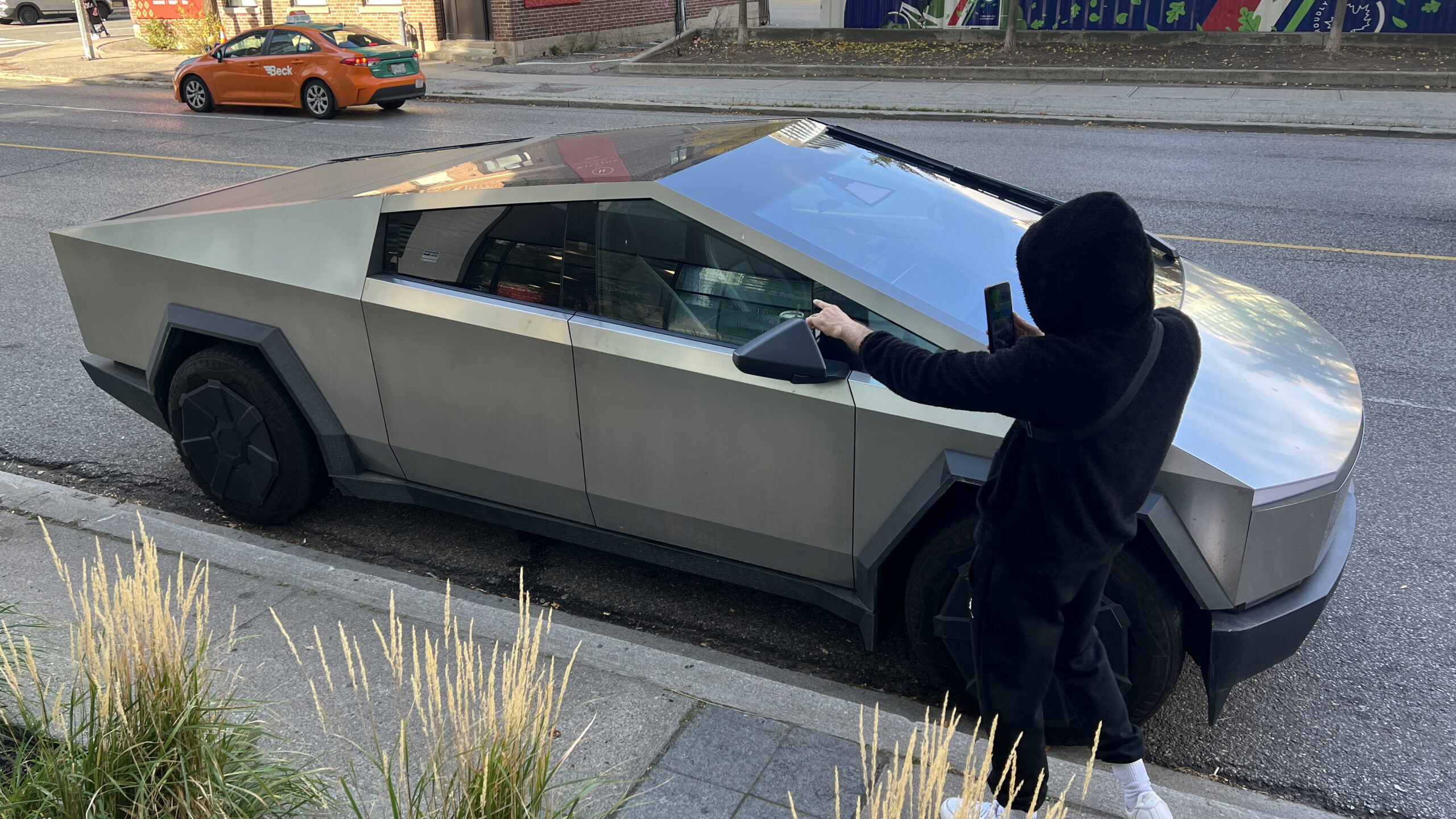
You can’t legally put shatterproof glass in a car. The side windows are designed to shatter to allow EMT rescue.
Musk engineers knew this, they were just too scared to tell him it was another fucking stupid idea.
These ones don’t. Many people have died because fire fighters couldn’t break the glass.
Far more people have died from being ejected through the window, which is why the testing requirements in 49 CFR §571.226 were expanded to now in effect require at least laminated glass for front passenger windows along with curtain airbags in new vehicles. Deaths from being trapped by laminated glass are overwhelmingly the product of improper identification of the glass type - laminated glass is very easily cleared when one is both trained and expecting it, even using tools like a standard fire axe or tire iron.
With a specialized tool like a rescue glass saw the window can be removed in seconds, and the lives saved by preventing ejection in a high speed impact or rollover far outweigh those lost to being trapped by fire. It’s a dreadful algebra, but moving the industry towards using laminated glass was the correct decision.
If you’re concerned, get a dedicated laminated glass extraction tool; I have used & carry with me a lifeline evac pro and it performed very well, although it’s absurdly expensive - I recommend picking up one of the many clones of the tool, which I doubt will be last for more than a handful of escapes or rescues, but unless you are in emergency response you (hopefully) will never need to perform multiple rescues in your lifetime and can absolutely use the cheaper knockoff designs.
Hey just wanted to comment about the EMT rescue part:
US sold vehicles can have laminated side windows that don’t shatter open, and it’s been a huge educational issue for years because people are using traditional window breakers on them in emergency situations and the tool won’t open them. It’s only gotten worse since that article, as auto manufacturers are installing more laminated side windows to prevent ejection during a rollover event.
Might want to check if your vehicle has them. Best list I could find was from 2019.
I was curious as my car has laminated side windows, and dug into it possibly far further than was entirely sane. The summary is yes, you can indeed use shatterproof glass in passenger windows.
This can be found in 49 CFR § 571.205 S5.1, which specifies all glazing materials must conform to ANSI/SAE Z 26.1-1996. If we look at ANSI/SAE Z 26.1-2007 (a later update of the standard which is not meaningfully different for our purposes - I have elected to link to it here rather than 1996 as it is able to be found online without a paywall) and go to Table 1, Page 10, Items 1, 2, 10 and 11A, we can see that standards are given for the use of laminated glass for all positions (item 1), all positions except windshield (item 2), bullet-resistant glass for all window positions (10) and specifically laminated bullet-resistant glass for all positions except windshield (11A)
Windshield glass is all laminated.
The regulations stipulate windshields must be made of laminated glass, insulated glass (a Multiple Glazed Unit), bullet resistant glass or (except in convertibles or other vehicles without a roof) glass-plastic. It also allows for equivalent-or-higher performance materials that may be developed in the future but are not covered by the current standards.