"It really seems like anyone with some renders and a white paper written by someone being gassed up by an overly agreeable AI can get VC funding these days."
This is what I’ve been tearing my hair out over any time this comes up. If you put a computer in space it will heat up until it achieves incandescence. Which is bad for the performance.
and sheesh you sure ain’t KIDDING! The amount of wattage in terms of thermal energy they’d have to radiate off would in fact LITERALLY require incandescence @.@;
for anyone else who stumbles across this comment section, i’m referring to “black body radiation” - it is specifically the thermal energy leaving something via radiating, and if it is radiating out at a high enough rate, that makes it glow. Even if we were not literally seeing the thermal radiation with our eyes, it is still technically incandescent in the infrared end of the spectrum!
(unless of course you’re defining incandescence as specifically only when the radiation reaches all the way up into the visible wavelengths and frequencies… which, if so, that’s quite fair really.)
I don’t have a good grasp on what technology exists for space, but I would assume that radiators of some sort would be possible. Not in the conventional way that they ineract with a medium to release heat, but instead that the radiators emit heated particles - kind of in the same way that water evaporates without boiling. With that being said, I have no idea what efficiency that would operate under, and I have no idea if such a radiator would be used up fast. It sounds like a terrible idea, but I don’t posess the facts.
Some people don’t believe in space travel because there is no air to push against in the way that jet engines work. But they fail to understand that space travel operates under other ways to generate force. I just don’t want to end up in the same sort of argument as them, believing that it’s not possible to cool down machines in space just because there is no medium for conventional cooling.
For an intro to real proven methods you can look up how the cooling for the ISS works. It’s quite interesting, but takes a lot of space, for relatively little power.
Exactly. That was my assumption. I just think it’s unfortunate that the arguments rely on that conventional cooling wont work rather than pointing out that the existing alternatives are very inefficient.


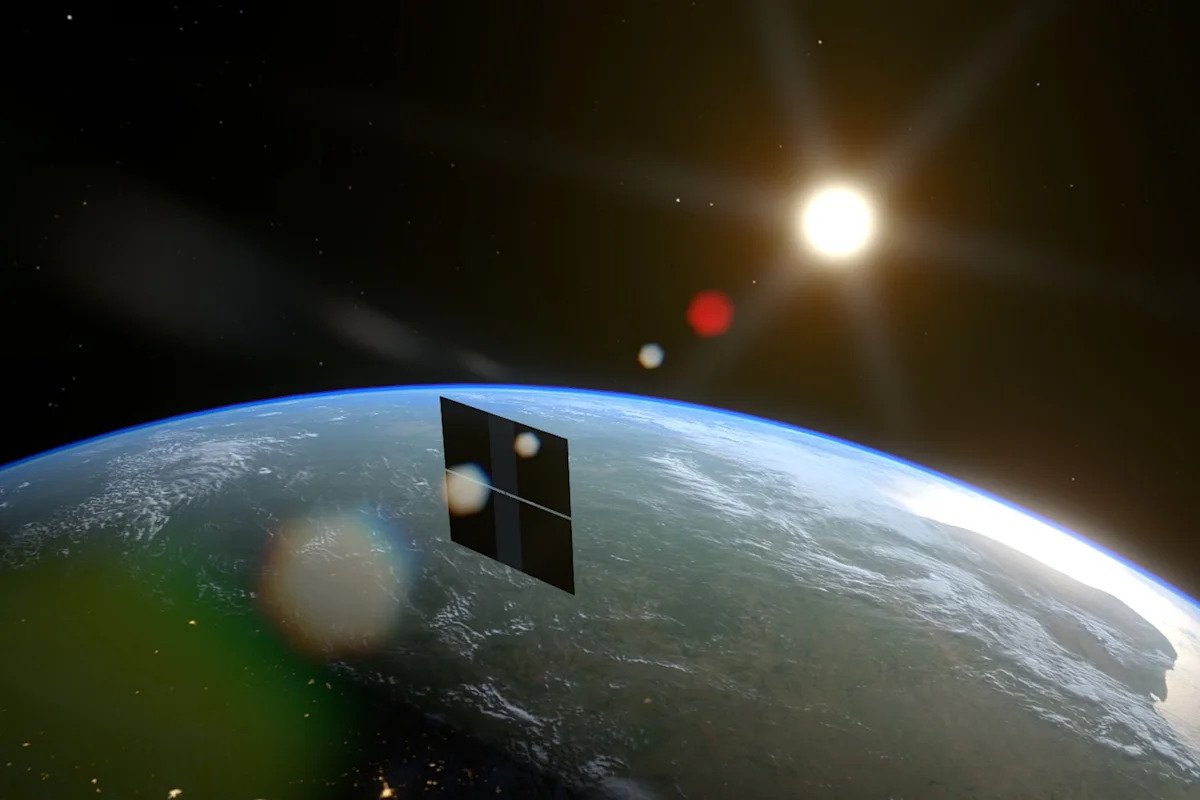
This is what I’ve been tearing my hair out over any time this comes up. If you put a computer in space it will heat up until it achieves incandescence. Which is bad for the performance.
This kills the
crabserver.and sheesh you sure ain’t KIDDING! The amount of wattage in terms of thermal energy they’d have to radiate off would in fact LITERALLY require incandescence @.@;
for anyone else who stumbles across this comment section, i’m referring to “black body radiation” - it is specifically the thermal energy leaving something via radiating, and if it is radiating out at a high enough rate, that makes it glow. Even if we were not literally seeing the thermal radiation with our eyes, it is still technically incandescent in the infrared end of the spectrum!
(unless of course you’re defining incandescence as specifically only when the radiation reaches all the way up into the visible wavelengths and frequencies… which, if so, that’s quite fair really.)
But apparently still somehow good for The Economy™!
I don’t have a good grasp on what technology exists for space, but I would assume that radiators of some sort would be possible. Not in the conventional way that they ineract with a medium to release heat, but instead that the radiators emit heated particles - kind of in the same way that water evaporates without boiling. With that being said, I have no idea what efficiency that would operate under, and I have no idea if such a radiator would be used up fast. It sounds like a terrible idea, but I don’t posess the facts.
Some people don’t believe in space travel because there is no air to push against in the way that jet engines work. But they fail to understand that space travel operates under other ways to generate force. I just don’t want to end up in the same sort of argument as them, believing that it’s not possible to cool down machines in space just because there is no medium for conventional cooling.
For an intro to real proven methods you can look up how the cooling for the ISS works. It’s quite interesting, but takes a lot of space, for relatively little power.
Exactly. That was my assumption. I just think it’s unfortunate that the arguments rely on that conventional cooling wont work rather than pointing out that the existing alternatives are very inefficient.