

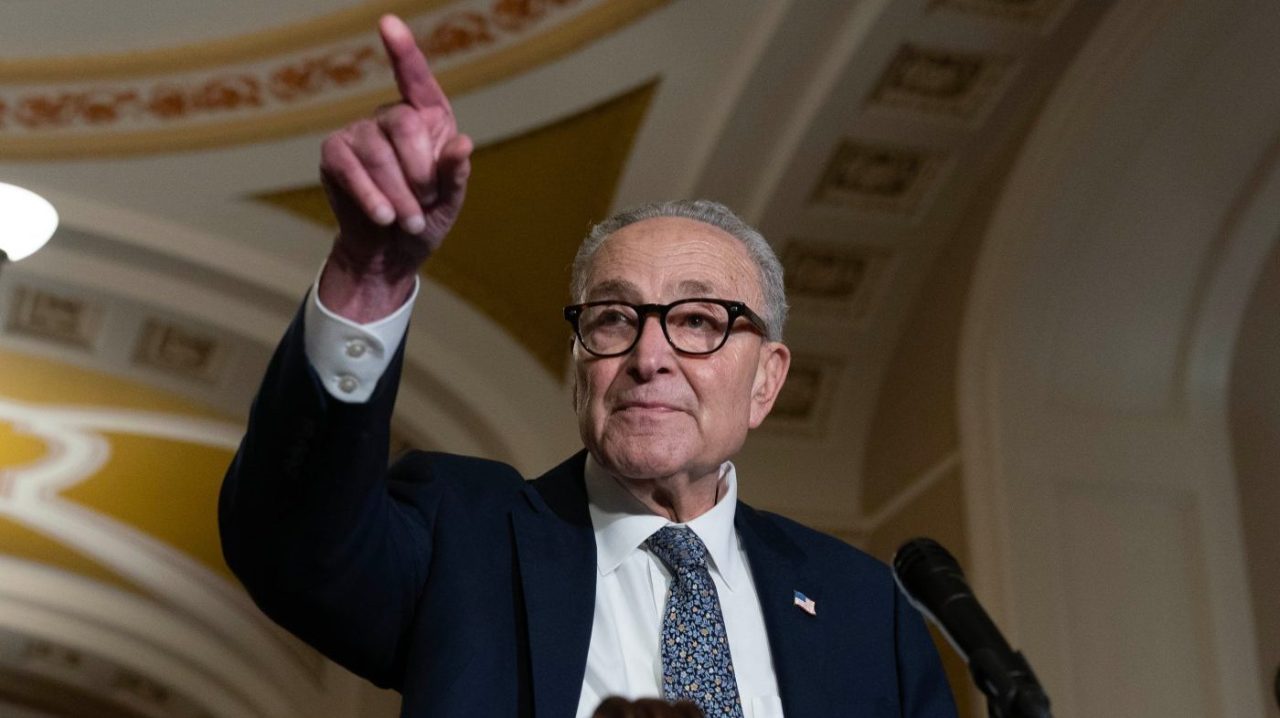
Democrats have won the Senate majority, a feat that seemed unreachable last year but that came to fruition with Republican candidates failing in states won just two years ago by President Trump, whose failing approval ratings was a huge drag on the GOP.
Victory in the Senate will deliver additional oversight powers to Democrats, who will now have a much bigger say on administration and judicial nominations.
They will also set the schedule for the Senate and have new powers to call in administration officials for hearings.
The string of Democratic victories sets the stage for Sen. Chuck Schumer (D-N.Y.) to return as majority leader in 2027 and for hardball negotiations with Trump on an array of issues, including on federal spending levels.
I remember being interested years back when I first started looking into details of gerrymandering.
My initial assumption was that politicians would tend to gerrymander to favor their party (like, you want to win, but win by narrow margins). But as I learned to my surprise, that…isn’t actually what happens. In general, they gerrymander to make seats safe, to win by comfortable margins, so that they don’t really have to compete for them.
So of all the times to do a switch in tactics to a “win by narrow margins to maximize party influence” strategy, this was an exceptionally poor time.
EDIT: That is, a poor time for the Republicans. The Democratic counter-gerrymandering, like in California, worked well.