An ESP32-P4 is about the same ram, better IO options, but half the CPU of the original Pi for about $20 right now. So the tech has been progressing a little bit.
It’s also been 14 years. “About the same ram…but half the CPU” for over half the price (original comment was wrong, it was $35, not $15) is not a flex. It’s a stunning failure.
The economic aspect of Moore’s law has been broken. Luckily we still have capabilities for a few more years of innovation in the performance scaling. For now.
You’re roughly getting 150x the power for 10x the cost with the current price hike.
Maybe in a vacuum, but in a world with millions or even billions of ‘legacy’ devices sitting around collecting dust that have equal or better compute power for less cost, these devices don’t really make sense.
No I completely agree, they make no sense these days. I was just saying that innovation has actually carried them forward and how much more power you actually get compared to the original raspis.
But a powerful CPU was never the point of the raspi. It was intended to be a cheap computer for your own hobby projects, iot setup and to learn about hardware, sensors and programming. The price was low so it would not ruin you if you made a mistake and fried the hardware.
This is no longer the case when it costs 3 digits.
It slowed around 2010 while Intel sat on its arse for quite a few years, but then transistors started shrinking again. This page has a chart suggesting the law has pretty much continued to hold. But we know that can’t continue because things really are starting to hit physical limits now.


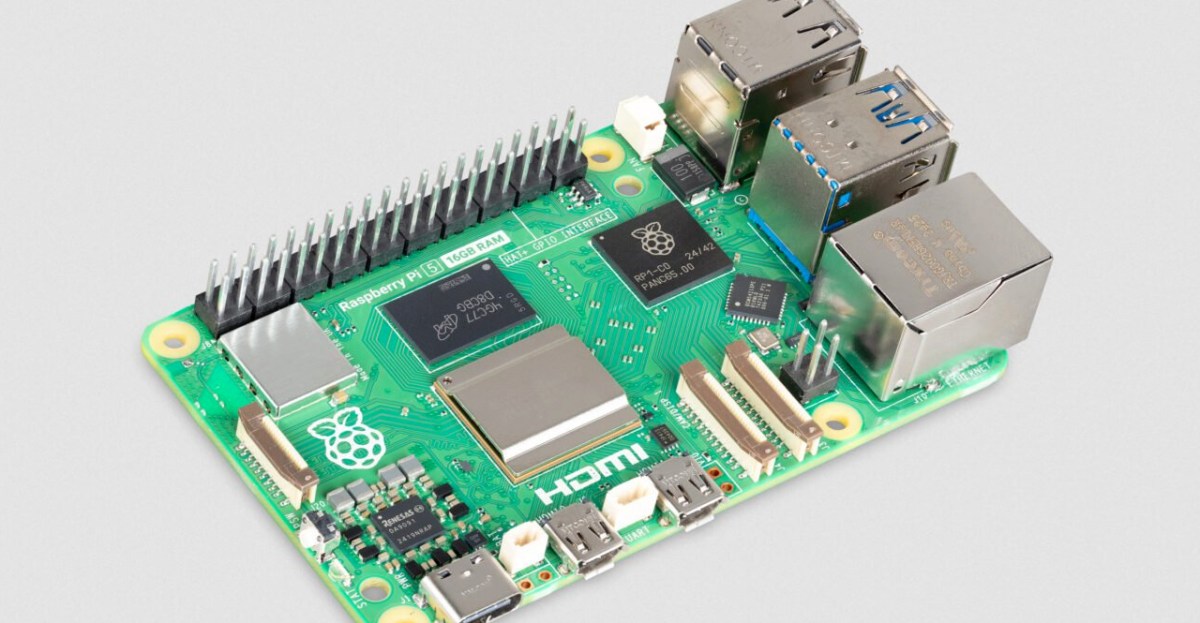
It was a 700MHz single core board with 512mb of ram…and it was $35, not $15
And if tech had been proceeding since then as it did for the previous 30 years, you’d expect a whole lot more power for your
$15$35 now.An ESP32-P4 is about the same ram, better IO options, but half the CPU of the original Pi for about $20 right now. So the tech has been progressing a little bit.
It’s also been 14 years. “About the same ram…but half the CPU” for over half the price (original comment was wrong, it was $35, not $15) is not a flex. It’s a stunning failure.
The economic aspect of Moore’s law has been broken. Luckily we still have capabilities for a few more years of innovation in the performance scaling. For now.
The original Pi had 512MB not KB. It ran Linux and had an SD card “disk”. The ESP32 series aren’t in the same class.
The Pi Pico is a 32-bit processor for far less than $20.
A microcontroller is in a completely different category from the Pi 5
It was also $35 at release, not $15
You’re roughly getting 150x the power for 10x the cost with the current price hike.
Maybe in a vacuum, but in a world with millions or even billions of ‘legacy’ devices sitting around collecting dust that have equal or better compute power for less cost, these devices don’t really make sense.
No I completely agree, they make no sense these days. I was just saying that innovation has actually carried them forward and how much more power you actually get compared to the original raspis.
But a powerful CPU was never the point of the raspi. It was intended to be a cheap computer for your own hobby projects, iot setup and to learn about hardware, sensors and programming. The price was low so it would not ruin you if you made a mistake and fried the hardware.
This is no longer the case when it costs 3 digits.
But you can still do that. Buy the 1GB Pi 4, it costs $35-$40.
Moore’s law ran for 40 years but hit a wall around 2010 due to physics.
“Free” upgrades ended long before AI bros started buying up all the RAM and GPUs.
It slowed around 2010 while Intel sat on its arse for quite a few years, but then transistors started shrinking again. This page has a chart suggesting the law has pretty much continued to hold. But we know that can’t continue because things really are starting to hit physical limits now.
Been there, and even have the shirt to prove it 😃
So do I!
Just to be pedantic: mb would be millibits, or thousandths of a bit. MB is its big brother megabytes.
Fun fact: a kb is a thousand thousand times bigger than a mb!