

181
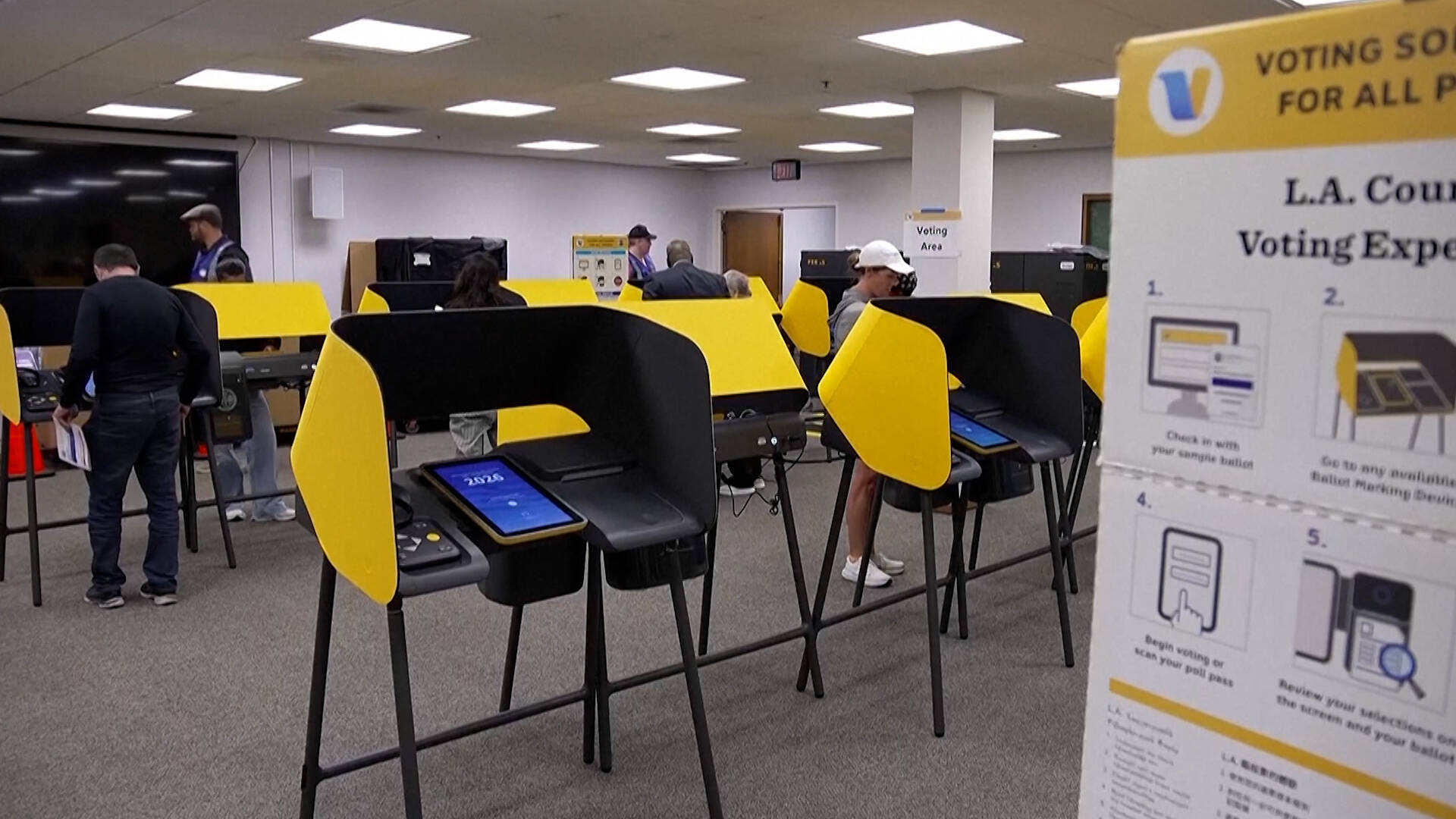
With just days to go before historic midterm elections, the Trump administration has issued grand jury subpoenas to local election officials in California, seeking unredacted voter records as part of a criminal investigation into the state’s voter rolls. At least one of the subpoenas was delivered after a federal judge rejected the Justice Department’s effort to force California to immediately set aside 20,000 ballots from people it claims are “likely noncitizens.” Such voter fraud is exceedingly rare. The court determined the move would wreak havoc with an election that is already underway, create a chilling effect on election workers and voters, and discount the votes of citizens. The subpoenas order the election officials to testify before a grand jury in a criminal investigation on November 4, the day after the election.
This comes as a report in Wired found the law firm that helped set up Elon Musk’s super PAC has created a new, nationwide so-called election integrity organization aligned with President Trump’s false claims of election fraud. The nonprofit organization is called the Association of State and Local Election Officials. It was established by lawyer Chris Gober, a former director and top lawyer for Musk’s America PAC. Gober is running as a Republican for Texas’s 10th Congressional District, which is home to the massive Terafab chip factory being built by Tesla and SpaceX.
There’s a lot of moving pieces with multiple court actions.
Judge Carter denied the TRO to segregate the 20k ballots. Because he declined to issue any order, Judge Carter did not prohibit the feds from doing anything, like these subpoenas. But he did say he would be very unhappy. This case went all the way through the 9th circuit yesterday, and I expect it to show up at the supreme court today if it’s not already there.
In the SEIU case, public employee unions that represent CA election workers went to court to stop the harassment from the feds. They won a same day, ex parte, TRO enjoining the feds from doing the shit in the headline with the subpoenas. That happened on Friday; yesterday the feds appealed to the 9th circuit. This suit is not mentioned in the article.
There’s a 3rd case, headlined by “California Nurses Association”, that won a bigger injunction against election worker intimidation practices in multiple states. CA Nurses is further along in the appeals process than SEIU.
Both of the injunction cases have some legal problems. They purport to restrict the feds from doing certain subpoenas or certain indictments before they actually do them. The feds are going to claim the court doesn’t have the power to enjoin that
The long established legal remedy for a bad subpoena is a motion to quash in the individual case. And the remedy for a bad indictment is a motion to dismiss.
The other side of that argument is going to be that the feds’ behaviour is so egregious, and the stakes are so high, that the equitable power of injunction can expand to meet this task.
TLDR: Lower judges are saying they can’t even issue the subpoenas. They could very well be overruled. If they do, then they would have to fight each individual subpoena.
In normal times, it’s a good idea for someone to be harmed before you try to redress that harm. But this is one of the things that must change in today’s dysfunctional government, where people don’t hesitate to illegally demolish things first in order to say “now you have to let me build a gold plated ballroom for my 900 closest friends”. What good is a justice system that can’t stop injustice?