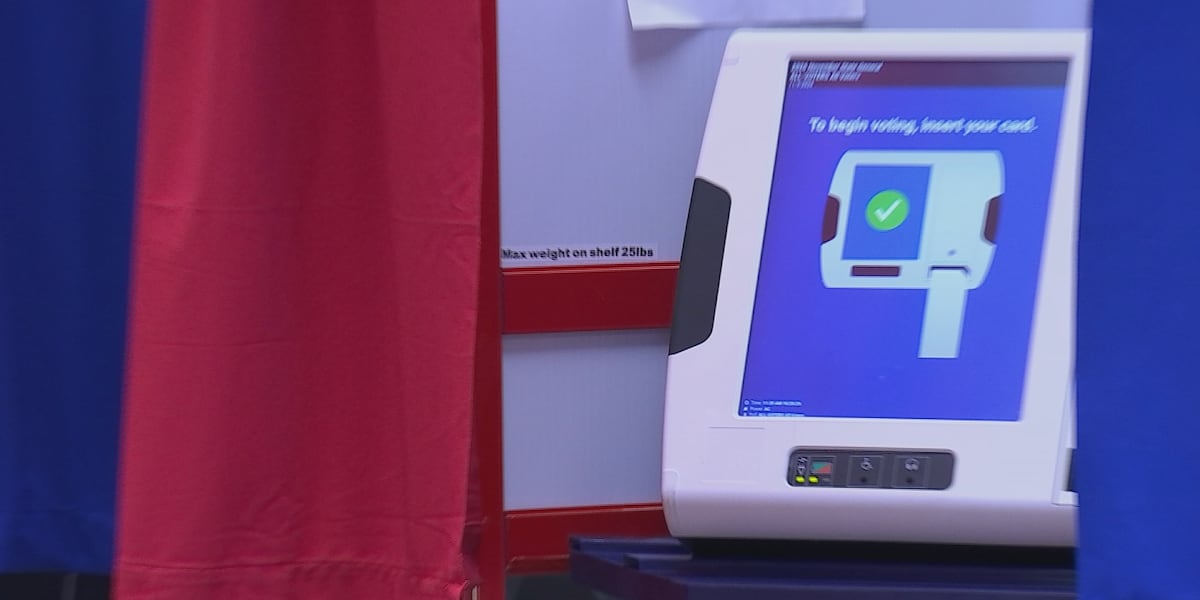
Some Tennessee voters say they touched one candidate’s name on a voting machine but saw a different name selected. State election officials say unintended touches can cause that to happen.
And yet it doesn’t happen. Could an abusive spouse do this? Sure. But again, it’s a huge risk for not a lot of gain. It’s one extra vote in exchange for a felony. It’s just not a serious problem the way domestic violence in general is.
You have to balance competing interests in law. Mail voting makes voting much more accessible, cheaper, and more resilient to manipulation such as closing poll locations in targeted precincts. And stretching election day over a few weeks gives people a chance to more easily correct errors that pop up, and makes the voter rolls more resilient to political ratfucking.
That huge increase in accessibility does come with a slightly increased risk of vote coercisiom, but it’s more than worth it.
That’s the thing though- you can never prove that this “doesn’t happen” since the premise is that it goes unreported due to fear and control. You can only really argue that there’s no evidence indicating that it happens to a large enough degree to significantly influence the outcome of elections.
I’m all for balancing different concerns against each other. That’s where I think your strong argument lies, and largely agree with your point here. I think downplaying the fact that coercion is a possibility only harms your argument, and that you would have an easier time convincing people if you rather recognised the possibility of it, and focused your argument around why you think mail-in voting is still a net positive.
Well I’m not too concerned about things we don’t have any evidence of occurring on a large scale. If you’re going to argue that this is a serious problem, it’s on you to demonstrate why it is a problem. Lots of things are theoretically possible. Space aliens could come down from above and hack our elections; I’m not going to be too concerned with it unless someone produces some evidence for it.
For all this talk about what my strongest argument is, you’re really not making one of your own.
You seem to be misunderstanding my point (perhaps I’m not making it clearly enough).
I agree with you that there is little evidence pointing to this being a significant problem. My point is that the fact that it can be a problem needs to be recognised and accounted for when weighing the pros/cons of different voting setups. This isn’t in the “aliens may invade earth tomorrow” category of unlikely, it’s more like “this most likely happens every single election, just not on a large enough scale to have any impact”.
Nobody benefits from this being brushed off with “and yet it doesn’t happen”. What we can benefit from is recognising that this likely (based on the evidence we have) happens on such a small scale that it doesn’t impact the outcome of elections, and therefore it’s an acceptable risk when weighed against the alternative, which is significantly lower accessibility to voting.


And yet it doesn’t happen. Could an abusive spouse do this? Sure. But again, it’s a huge risk for not a lot of gain. It’s one extra vote in exchange for a felony. It’s just not a serious problem the way domestic violence in general is.
You have to balance competing interests in law. Mail voting makes voting much more accessible, cheaper, and more resilient to manipulation such as closing poll locations in targeted precincts. And stretching election day over a few weeks gives people a chance to more easily correct errors that pop up, and makes the voter rolls more resilient to political ratfucking.
That huge increase in accessibility does come with a slightly increased risk of vote coercisiom, but it’s more than worth it.
That’s the thing though- you can never prove that this “doesn’t happen” since the premise is that it goes unreported due to fear and control. You can only really argue that there’s no evidence indicating that it happens to a large enough degree to significantly influence the outcome of elections.
I’m all for balancing different concerns against each other. That’s where I think your strong argument lies, and largely agree with your point here. I think downplaying the fact that coercion is a possibility only harms your argument, and that you would have an easier time convincing people if you rather recognised the possibility of it, and focused your argument around why you think mail-in voting is still a net positive.
Well I’m not too concerned about things we don’t have any evidence of occurring on a large scale. If you’re going to argue that this is a serious problem, it’s on you to demonstrate why it is a problem. Lots of things are theoretically possible. Space aliens could come down from above and hack our elections; I’m not going to be too concerned with it unless someone produces some evidence for it.
For all this talk about what my strongest argument is, you’re really not making one of your own.
You seem to be misunderstanding my point (perhaps I’m not making it clearly enough).
I agree with you that there is little evidence pointing to this being a significant problem. My point is that the fact that it can be a problem needs to be recognised and accounted for when weighing the pros/cons of different voting setups. This isn’t in the “aliens may invade earth tomorrow” category of unlikely, it’s more like “this most likely happens every single election, just not on a large enough scale to have any impact”.
Nobody benefits from this being brushed off with “and yet it doesn’t happen”. What we can benefit from is recognising that this likely (based on the evidence we have) happens on such a small scale that it doesn’t impact the outcome of elections, and therefore it’s an acceptable risk when weighed against the alternative, which is significantly lower accessibility to voting.