

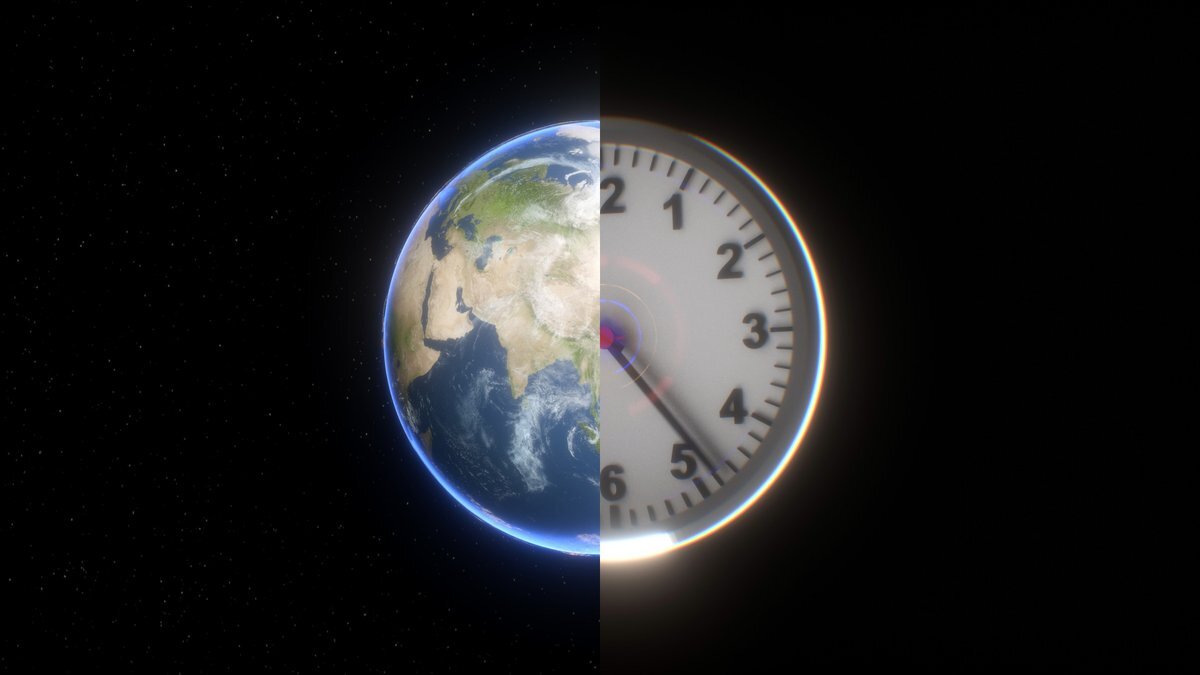
Today an international group of scientists, diplomats, and timekeepers voted to end the leap second, which has been keeping Coordinated Universal Time (UTC) aligned with the time according to Earth’s rotation (UT1) within one second of difference.
A new system, called the “leap hour,” will allow the Earth’s rotation and official time to fall out of alignment by a full hour
Good riddance to the leap second — it’s a scheduled outage for distributed systems. The 2017 Cloudflare incident happened purely because some code paths choked when 23:59:60 showed up, and every insertion window means NTP, databases, and financial systems all hold their breath.
The leap hour is a clever deferral though: pushing the correction out roughly a century means nobody running today has to implement anything, and by the time it matters the drift gets handled wholesale instead of one second at a time. Slightly odd that it’s the same diplomatic mechanism as the CGPM voting on measurement units deciding how software keeps time, but the engineering outcome is right.
https://gist.github.com/timvisee/fcda9bbdff88d45cc9061606b4b923ca
If your software is choking on completely expectable events, it it not sufficiently robust.
As you just proved, while it might be possible to write robust software that deals with dates/times, I wouldn’t bet on it, and it’s Definitely not practical to try.
But you are right that leap seconds were common enough to try and handle. There’s a bunch of ways to handle them though, each incompatible with the others.