

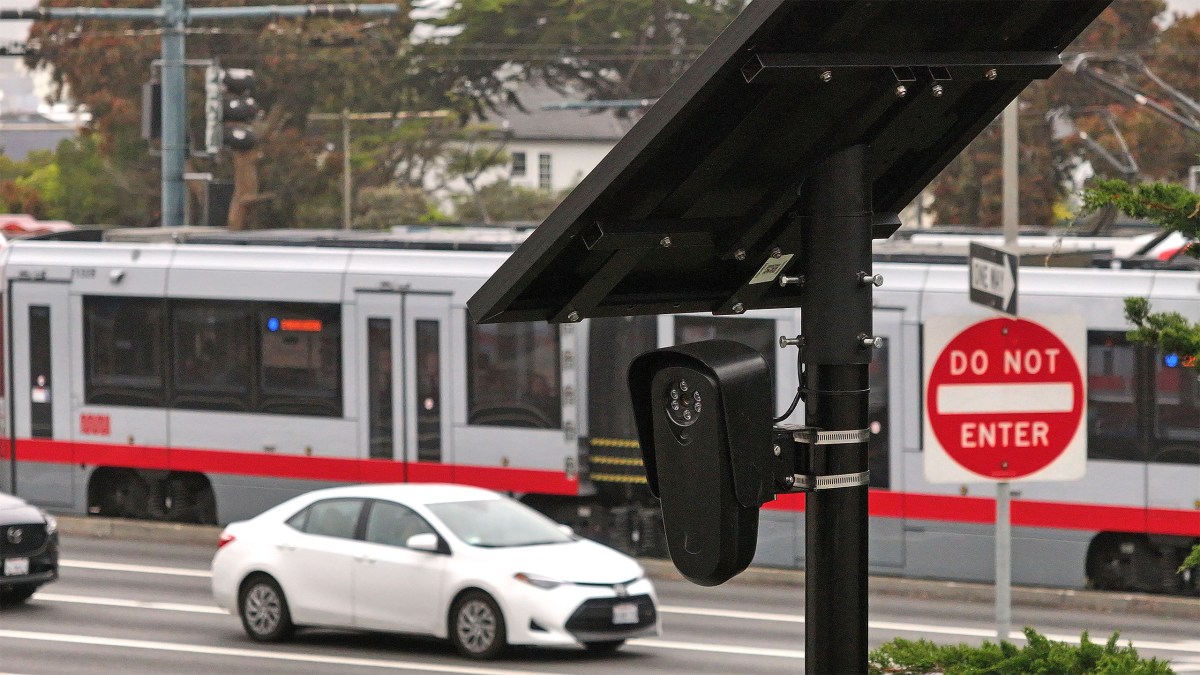
Defense contractor Leonardo is promoting a new technology called SignalTrace that will package plate cameras with sensors that can scrape unique identifiers tied to your smart devices and make that data available to law enforcement.
Police, border security, and other government agencies already comprise Leonardo’s customer base, and with this technology, those clients seek to correlate footage from these cameras to phones, tablets, wearables, AirTags, and, naturally, the electronics inside cars themselves.
If SignalTrace can pick up your Bluetooth headphones, you can be sure it’ll also be looking out for your vehicle’s 5G hotspot, infotainment system, and even its tire pressure monitoring sensors. The company includes pet microchips as a potential entry point to tracking.
Industry researchers have managed to create directional antennas that read 125 kHz chips (the kind used in pets) from as far away as one meter. That’s most or all of the width of a sidewalk, if the reader is placed at ground level.
For unimplanted tags of unspecified size sure it’s technically possible to do, but I’ll let the article summarize why this is blatant marketing hype:
and then mention that the interference from the dermis vastly reduces the useful range of the tags, and that the article doesn’t actually specify what type of tag they’re designing for (or if it’s using a set orientation…).