

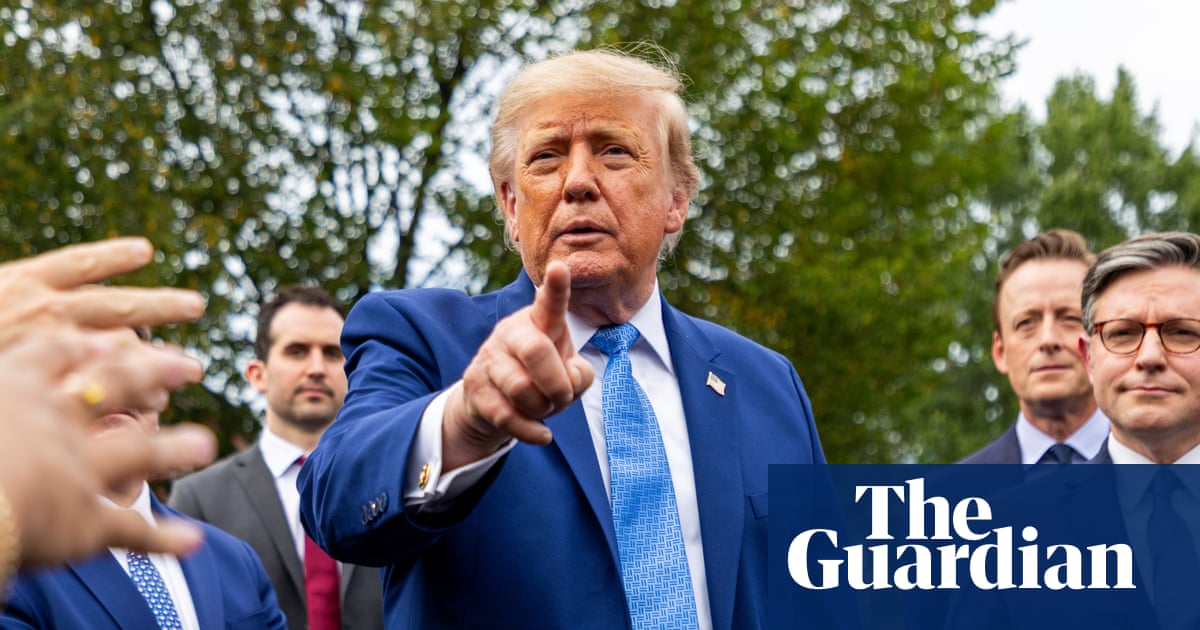
Donald Trump’s administration has withdrawn the United States from the Council of Europe’s anti-corruption monitoring body, arguing that paying to belong to the multilateral group no longer serves US interests.
The US formally notified the Strasbourg-based organization on Monday that it was leaving the Group of States against Corruption, known as Greco – the latest step in a broader effort by the administration to pull back from international bodies it regards as inefficient, overreaching, or out of step with its priorities.
A US state department spokesperson said the decision followed a review of US involvement in the body, and marks a shift from countries holding each other to shared standards towards Washington acting on its own.
“The US Department of State’s primary responsibility is to protect the American people,” the spokesperson said. “The United States is focused on combating criminal threats that directly threaten Americans, including corruption undermining American security and prosperity.”
…
Well, it’s a bit more complex than that. As a company that prints money, they are required to audit and vet countries before doing business with them, and terminating business with countries that accept bribes, because they print money.
They also do drivers licenses, passports, and border control systems.
Doing business with one nation that accepts bribes could cause the anullment of contracts from every nation they deal with.
If the US starts taking bribes officially via moves like this, CBN will have to exit the country.
The US Supreme Court made this ruling two years ago:
https://afj.org/article/supreme-court-rules-bribes-are-fine-if-youre-paid-later/
Sure, but the US was still part of the anti-bribery pact until now.
Its also exceedingly hard for CBN to exit a contract quickly. Procurement cycles for things like printing money and DLID systems are years in length, generally two. CBN would need to wait for the next RFC cycle, and then simply not put in an offer.
They can’t just exit a contract for these types of systems, it’s not juice exports.
And if they kept doing business with a country taking bribes, they would lose their contracts in Canada, NZ, Australia and others. But those three are huge contract holders. It would kill CBNs business.