

Menopause increases the risk of UTIs because declining estrogen changes the tissue and bacteria of the vagina and urinary tract, making it easier for harmful bacteria to grow. In older women, those infections are also more likely to spread to the bloodstream, causing sepsis, organ failure and death.
Vaginal estrogen, a low-dose treatment applied directly to the vaginal tissue as a cream, tablet or ring, can help restore those protections and prevent recurrent infections. It can cost as little as a few dollars a month. Major medical groups have recommended it for years for menopausal women with recurring UTIs, yet many women are never offered it.
Now, a peer-reviewed study of nearly 2 million women with recurrent UTIs provides striking new evidence of its potential benefits. Researchers reviewing medical records from 2017 through 2025 found that women 55 and older who were prescribed vaginal estrogen were about half as likely to be hospitalized with a UTI as those who were not. Their recorded rates of sepsis and death were roughly one-fifth as high.
The study was observational, not a randomized clinical trial, so it cannot prove that vaginal estrogen alone produced those differences — or that the medication would have prevented any individual woman’s death. But the findings build upon decades of research showing that vaginal estrogen can reduce recurrent UTIs in menopausal women.
Despite that evidence, only about 1 in 10 menopausal women covered by Medicare uses vaginal estrogen, according to records reviewed by USA TODAY. The treatment remains underused even as UTIs send older women to hospitals and cost Medicare billions of dollars each year.
A misinterpretation of the influential Women’s Health Initiative in 2002 prompted the FDA to slap its strongest warning on all estrogen products, including low-dose vaginal estrogen that was never studied in the trial. The sweeping label scared doctors from prescribing medications their patients desperately needed, pushed women off treatment, and contributed to decades of missed opportunities to prevent serious menopause-related health problems for two generations of women we now understand can be fatal.
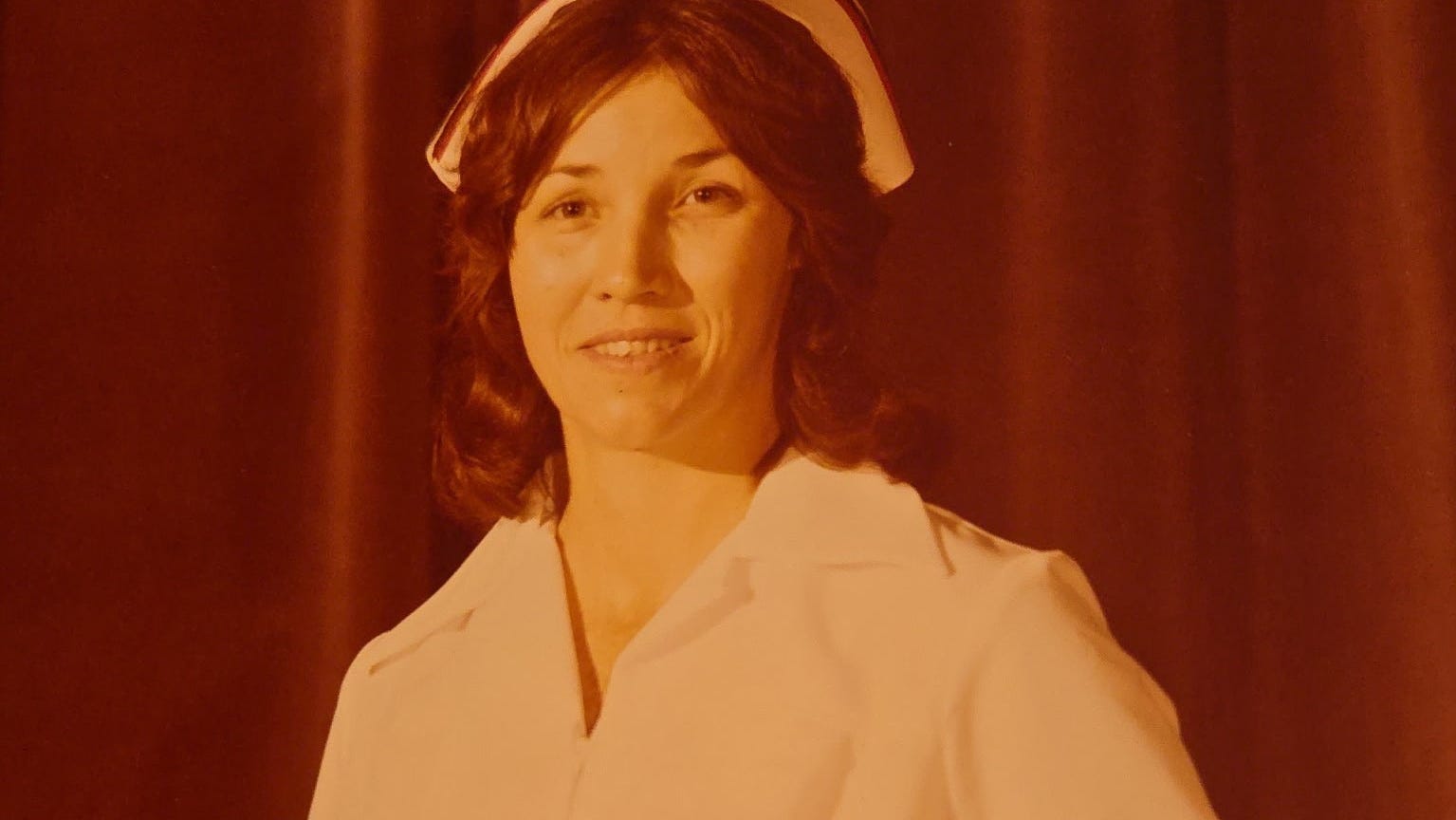
“This one very simple medicine could have saved my mother,” Shankland’s daughter Lorrie Durbin says. “She spent her life taking care of people. And in the end, no one took care of her. My mother didn’t need to die.”