

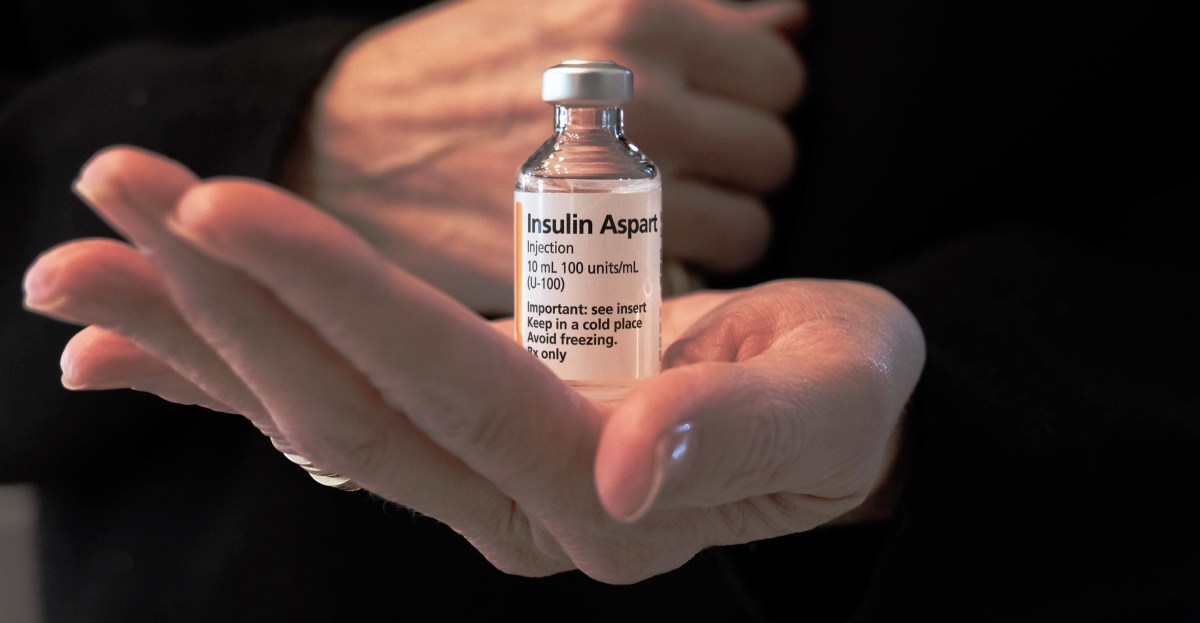
A decade ago, insulin became the poster child for America’s out-of-control drug prices. The 2017 death of Alec Smith, who was rationing his insulin before he died, and repeated price hikes for a 100-year-old medication (the patent for which was originally sold for $1 to a university to prevent it from being exploited commercially) sparked widespread outrage that a lifesaving medication could be unaffordable to the people who depend on it to survive.
And then politicians actually acted. Starting with a Colorado law passed in 2019, states began passing laws capping the out-of-pocket costs for many people who take insulin; 27 states (plus Washington, DC) now have such a policy. Then in 2022, Congress included a provision in the Inflation Reduction Act that established a $35 per month cap on insulin prescriptions for people on Medicare. Given the national response — drugmakers also made splashy public announcements about reducing the cash price that uninsured people pay — you would be forgiven if you thought this was the one health care cost crisis that the US had genuinely managed to solve.
But the diabetes community has a dire warning: It’s not over. Millions of people continue to struggle to pay for their insulin and having their long-term health put at risk because of, in the words of one advocate who put it bluntly, pharmaceutical greed.
“There has been so much attention and promise to action around the insulin price crisis. … There has been so much action,” said Shaina Kasper, executive director of T1 International, a global nonprofit that advocates for people with diabetes. “And shockingly, frustratingly, critically, the data from our 2024 survey showed that the rationing rates were worse than ever. Ultimately we’re facing such immense and monstrous corporate greed. … When we put a Band-Aid on one hole, another one’s going to find a way to pop out and keep profits high.”
…