

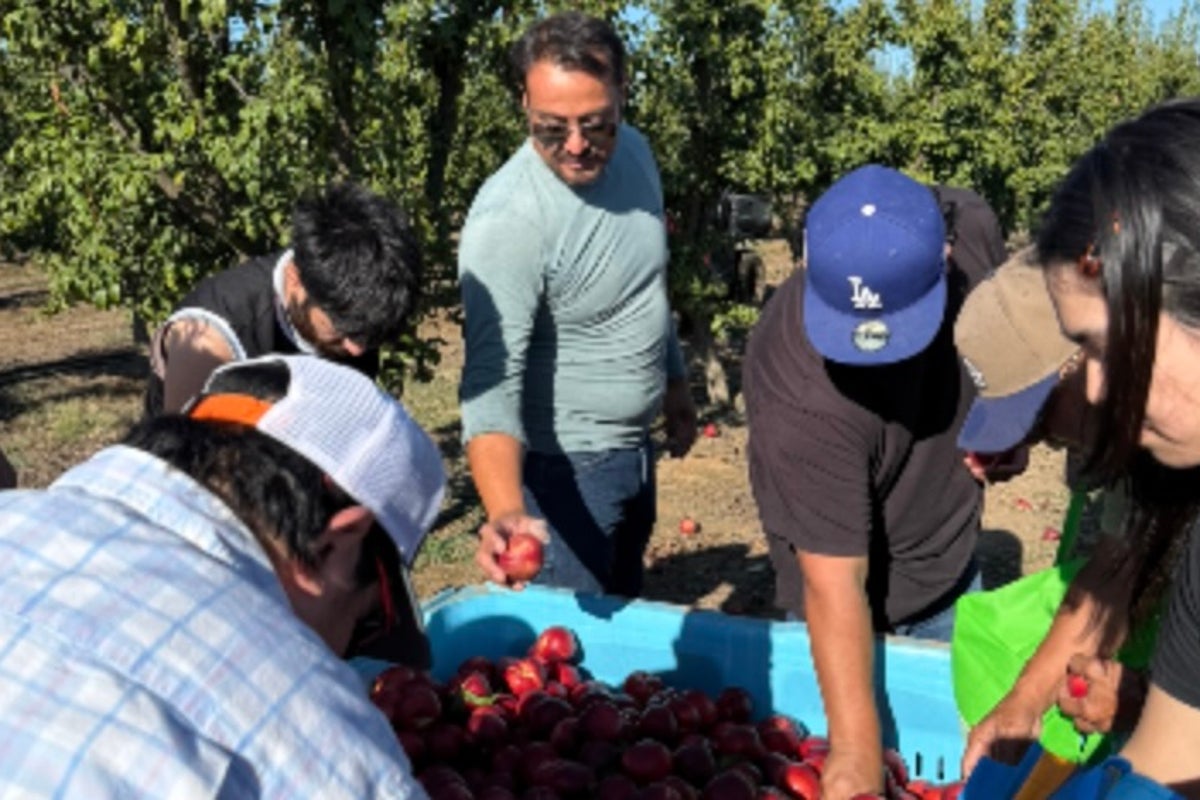
How can you order a farmer to destroy their trees? I hope he fights in a higher court. Wish I’d heard about the nectarine giveaway. I’d have gone to pick some.
How can you order a farmer to destroy their trees? I hope he fights in a higher court. Wish I’d heard about the nectarine giveaway. I’d have gone to pick some.
If the company spends considerable amounts of cash developing a genetically modified fruit that is superior in some way, they have the rights to that fruit.
Whatever my man keep eating those copyrighted fruits just remember then they own what you shit as well
Uh… pretty much the entire agriculture industry works this way… Monsanto forces farmers to sign licenses that they won’t use the seeds produced by their crops to grow more crops.
We should remember to save it and ship it to their HQ.
Do you go to work for free? Must be nice.
People have been cultivating fruit way before copyright…
Obviously that’s true. Then this farmer should have planted that older (less desirable) fruit.
The discussion is about how we feel about the state enforcing copyright on fruits. Do we need this as a society? You make it sound like the profit incentive is necessary for farmers developing more resilient, tastier etc. fruit. Historically, the direct profit was enough. We have a choice.
This use of copyright can hinder innovation (it limits knowledge sharing) and has weird inefficiencies like the one in the article. That’s worth debating.
Nah
No, what they have is a morally bereft contract condition.
If you put in effort and money to create a product, you wouldn’t give it away either. If you (or the farmer) thinks the product has no benefit, then don’t use it. Use something else.
Well, the farmer did give away, because he had no other choice after the buyer refused to buy but banned him from selling to anyone else. Sometimes giving away is the only option.
Exclusive rights to something isn’t exactly new. If you have a gym or Costco membership, you can’t just let someone else use it because you won’t be around for a month. If the farmer willingly entered into a contract with the supplier, the terms of the contract are enforceable.
Not exactly the same thing. But any contract that means they can screw you and you have no recourse, is a bad contract that shouldn’t be enforceable. You can’t sell yourself into slavery either. That’s a much closer analogy.
Yeah no. Some things benefit the most capable providers when made public. If you are in that position, it’s only a net benefit to dictate the entire market.
Are you suggesting the government make rules on what kind of contracts parties can make in business? Would the government then oversee that? There are many, many contracts where there is an exclusive relationship described in a contract.
They already do?