

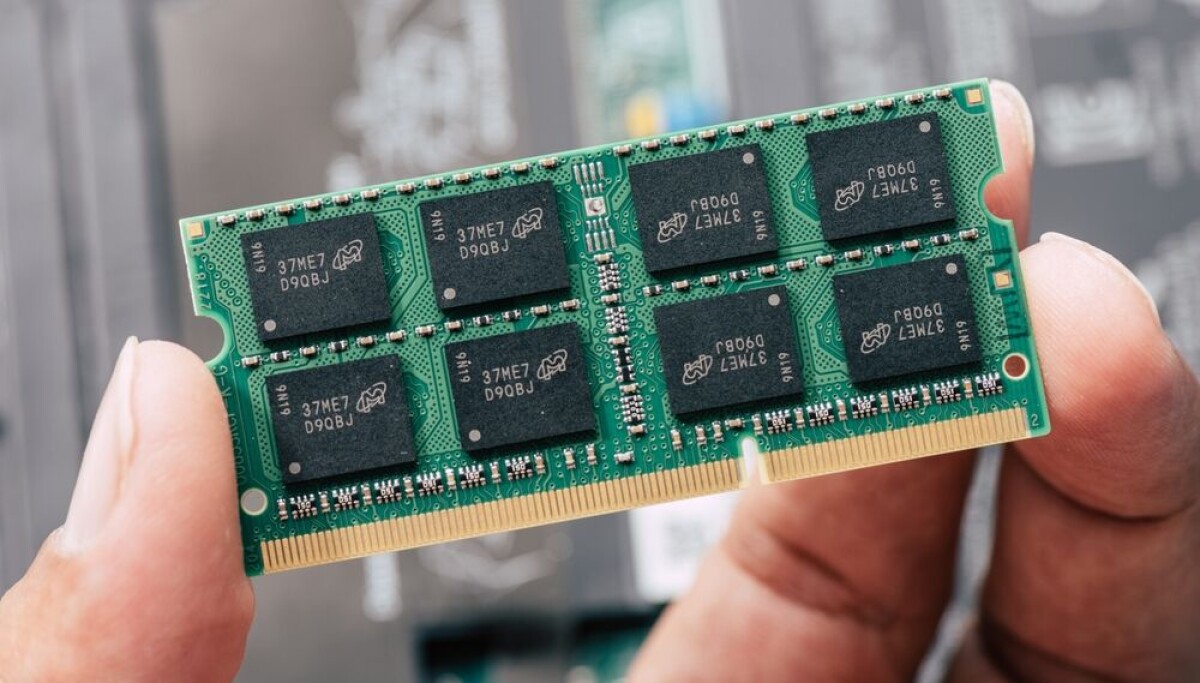
Memory-maker Micron has found a way to keep prices for its products sky-high for another five years, by signing 16 “strategic customer agreements” (SCAs) that include a floor price the company says comes with “a very robust gross margin for Micron, well above our peak quarterly margins in any past cycle.”
Micron CEO, president and chairman Sanjay Mehrotra explained the SCAs in prepared remarks delivered during the company’s Q3 earnings call. He explained that Micron has signed 16 SCAs, most of them covering 2026 to 2030, and that they involve a commitment to buy a certain quantity of product and pay for it in a pricing band that has a floor and a ceiling price. The floor price covers the historically high gross margins mentioned above, and the ceiling price means those who commit to an SCA are insulated if memory prices go even higher.
Ram would be a really hard component to supply chain attack. It doesn’t store anything when powered off, so you’d need another chip on the board that can store your attack and that’d stick out like a sore thumb.
It also requires incredibly low latency, so low that trace lengths need to be optimized in order to deliver data accurately. So stream manipulation is out the window.
You’re left with searching through the contents looking for something juicy and that requires some kind of extra sore thumb chip that can’t go fast because it doesn’t have a heatsink.
Plus it’s been standard practice to harden the memory of libraries and programs and even operating systems to avoid stuff like the old Intel hyper threading attacks for at least fifteen years now, so there’s a reduced attack surface.
No one’s supply chain attacking your ram.
That doesn’t have anything to do with anything anyone was talking about, except that .ml accounts reflexively defend China…
And no one ever needs more of those examples.
My intent was to provide an explanation for why someone might consider your reply about Chinese manufactured ram being a supply chain risk to be inaccurate.
To be 100% clear as a bell: ram is not a supply chain vector people need to be worried about.