Combustion engines have maximum fuel efficiency at a specific RPM. A Hybrid has the advantage that you can run that engine at maximum efficiency 100% of the time and using the generated electrical energy to generate motion. The gains by being able to keep the ICE at peak efficiency are more than the loss you take from the conversion. That’s the same principle as in hybrid cars - look up Technology Connections video where he analyzes the behavior of his hybrid car. It is for sure preferable to than just the ICE directly, losing a lot of efficiency and therefor fuel because of differences in needed power output. Combining this into a plugin-hybrid makes - as you said - the takeoff use no or just the default amount of jet fuel at all.
This will not eliminate the need for jet fuel, but even a reduction is preferable to the status quo. Until we get batteries that are light enough while keeping energy density at least as high as now (preferably higher), purely electric long-range flight is not an option that’s available.
I don’t think you’ll ever get there for flight personally. Just need to accept synthetic aviation fuel as the only real option for energy density (both volume and weight) and accept certain modalities being absolutely priced out of air transport.
I guess my main issue is you’re now flying around with those takeoff batteries and extra engine components. Is that really ever going to be worth it for anything but those short hop flights this is designed for? And if not why are we even investing in this because those short hop flights frankly need to be eliminated for trains anyway.
You want to know why I don’t believe we’ll get batteries with enough energy density for sustained long haul flight? I was responding to their last sentence. Ya know, acknowledging that batteries more dense than hydrocarbons isn’t really on the radar so for that aspect of things synthetic aviation fuel is pretty much what you gotta accept to go for zero carbon. I had already agreed with them that it’s potentially more efficient in takeoff in my initial post. They just expanded on why. I frankly am perplexed at what you think I’m dismissing since we largely agree.
To be fair, you probably don’t need to achieve the same energy density as hydrocarbons for the vast majority of flights. Yeah, non stop flights from canberra to stockholm or similar distances will probably (at least in our lifetime) always depend on high density fuel. But I can definitely see a near future where 100% of flights on the same continent can be run 100% electric. The energy conversion to electricity is most efficient in power plants and solar, so making sure that as many flights as possible are powered by those sources is for sure something that is preferable to anything we are doing today.
Also, those batteries - after having outlived their usefulness for aviation because of capacity loss - have still a long live in front of them as energy storage for the energy net itself, where a loss of 20% capacity isn’t a dealbreaker. Since the largest issue nowadays isn’t generation of power, but storage of the same for covering nights, building high capacity batteries is a good thing regardless of initial usage.
Edit: WHY the fuck aren’t airports already plastered full of solar cells?
I haven’t really seen proposals for planes that are full electric beyond just toys for rich people to do short hops but you might be right that battery planes might make sense with future battery tech. I just don’t see anything justifying it right now.
On the subject of energy efficiency though, you’re absolutely right. Synthetic aviation fuel is an order of magnitude more expensive than batteries.
I wonder if short hops in electric propeller planes are gonna take over everything in a few years. Like it will be the cheapest option for any trip under about 800 miles. Cheaper than driving, even in an electric car. A few Canadian companies are already doing this with seaplanes, where most of the trips are under 30 minutes anyway.
This tech is mature, in the US we’re just waiting on the FAA to certify it.
According to this NPR article there are 4 million flights under 500 miles in the U.S. alone. Based on my quick estimate of the chart in the article, that’s about half of the flights made. Other parts of the world may be better or worse depending on terrain, etc. The number of short flights is going down due to efficiency. They mention pilots, but everything else indicates fuel costs. If these hybrid planes took over those flights, and are as effective as projected, they could maintain equivalent or better fuel efficiency on short hop flights, making them more viable.
Now, the point about trains is quite relevant, but the infrastructure for planes is already there and I don’t see regional train routes filling that gap any time soon. This would also make synthetic avgas more viable since you would already be using less overall.
There’s a whole world of use cases between no electric and full electric. Take off and landing is one of the profiles where electrification might be useful, if not for efficiency then for reducing noise and pollution levels around airports.
I said I understood why it could potentially be useful in my original post for take off and landing. I’m curious why we keep retreading this after I’ve repeated it in every post I’ve made so far. I’m doubtful the extra weight is worth that one use case compared to just using extra fuel. I think we need to seriously invest in synthetic aviation fuel and price things fairly. Then how this sort of efficiency shakes out will likely be important with that new cost structure incorporated.
And if not why are we even investing in this because those short hop flights frankly need to be eliminated for trains anyway.
Well, islands and other geographical features still exist in some places to provide geographical and geological barriers to train connections between certain city pairs.
Some military tanks are going hybrid, too, despite not really being able to move very far on the electric battery. It’s still worth it for idling and running the on-board systems without actually running the fossil-fuel-burning engine, though, and is potentially a stepping stone towards greater improvements in the electric drivetrain for quieter and more energy efficient movement.
With how warfare is currently evolving, i do not see much future for MBTs in general, at least not in the amounts that were produced before. Drones simply kick the shit outta them while costing a fraction.


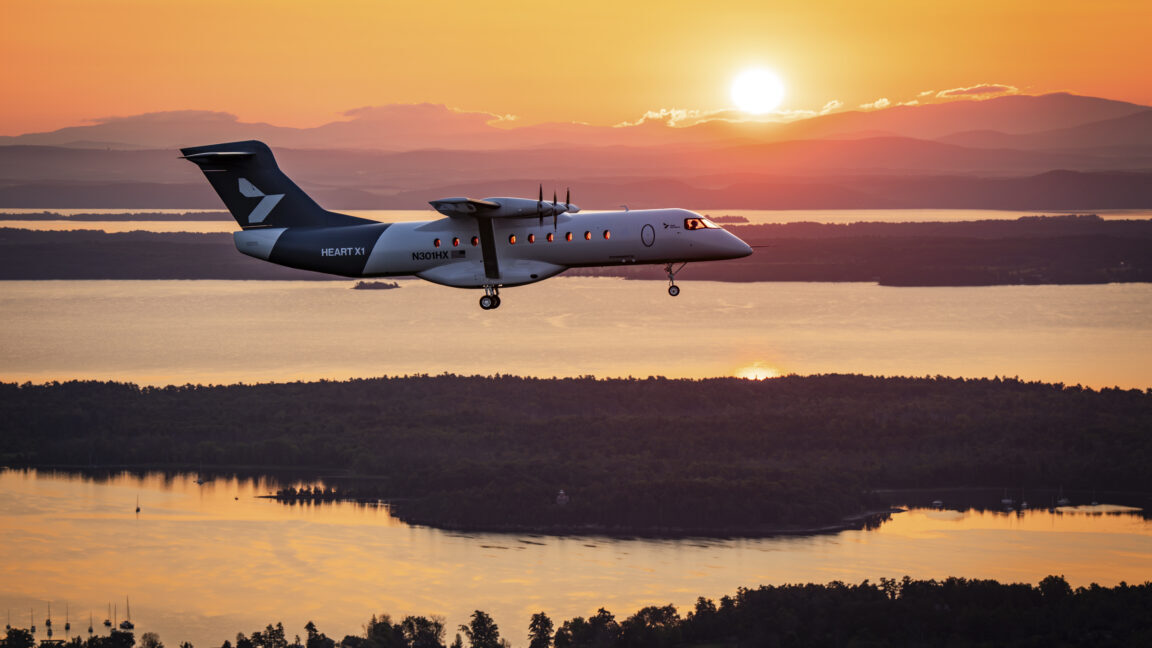
Combustion engines have maximum fuel efficiency at a specific RPM. A Hybrid has the advantage that you can run that engine at maximum efficiency 100% of the time and using the generated electrical energy to generate motion. The gains by being able to keep the ICE at peak efficiency are more than the loss you take from the conversion. That’s the same principle as in hybrid cars - look up Technology Connections video where he analyzes the behavior of his hybrid car. It is for sure preferable to than just the ICE directly, losing a lot of efficiency and therefor fuel because of differences in needed power output. Combining this into a plugin-hybrid makes - as you said - the takeoff use no or just the default amount of jet fuel at all.
This will not eliminate the need for jet fuel, but even a reduction is preferable to the status quo. Until we get batteries that are light enough while keeping energy density at least as high as now (preferably higher), purely electric long-range flight is not an option that’s available.
I don’t think you’ll ever get there for flight personally. Just need to accept synthetic aviation fuel as the only real option for energy density (both volume and weight) and accept certain modalities being absolutely priced out of air transport.
I guess my main issue is you’re now flying around with those takeoff batteries and extra engine components. Is that really ever going to be worth it for anything but those short hop flights this is designed for? And if not why are we even investing in this because those short hop flights frankly need to be eliminated for trains anyway.
But why you dont believe it? OP gave a detailed rebukal of your initial post, and then your answer is “I just don’t believe, just accept that …”
You want to know why I don’t believe we’ll get batteries with enough energy density for sustained long haul flight? I was responding to their last sentence. Ya know, acknowledging that batteries more dense than hydrocarbons isn’t really on the radar so for that aspect of things synthetic aviation fuel is pretty much what you gotta accept to go for zero carbon. I had already agreed with them that it’s potentially more efficient in takeoff in my initial post. They just expanded on why. I frankly am perplexed at what you think I’m dismissing since we largely agree.
To be fair, you probably don’t need to achieve the same energy density as hydrocarbons for the vast majority of flights. Yeah, non stop flights from canberra to stockholm or similar distances will probably (at least in our lifetime) always depend on high density fuel. But I can definitely see a near future where 100% of flights on the same continent can be run 100% electric. The energy conversion to electricity is most efficient in power plants and solar, so making sure that as many flights as possible are powered by those sources is for sure something that is preferable to anything we are doing today.
Also, those batteries - after having outlived their usefulness for aviation because of capacity loss - have still a long live in front of them as energy storage for the energy net itself, where a loss of 20% capacity isn’t a dealbreaker. Since the largest issue nowadays isn’t generation of power, but storage of the same for covering nights, building high capacity batteries is a good thing regardless of initial usage.
Edit: WHY the fuck aren’t airports already plastered full of solar cells?
I haven’t really seen proposals for planes that are full electric beyond just toys for rich people to do short hops but you might be right that battery planes might make sense with future battery tech. I just don’t see anything justifying it right now.
On the subject of energy efficiency though, you’re absolutely right. Synthetic aviation fuel is an order of magnitude more expensive than batteries.
I wonder if short hops in electric propeller planes are gonna take over everything in a few years. Like it will be the cheapest option for any trip under about 800 miles. Cheaper than driving, even in an electric car. A few Canadian companies are already doing this with seaplanes, where most of the trips are under 30 minutes anyway.
This tech is mature, in the US we’re just waiting on the FAA to certify it.
According to this NPR article there are 4 million flights under 500 miles in the U.S. alone. Based on my quick estimate of the chart in the article, that’s about half of the flights made. Other parts of the world may be better or worse depending on terrain, etc. The number of short flights is going down due to efficiency. They mention pilots, but everything else indicates fuel costs. If these hybrid planes took over those flights, and are as effective as projected, they could maintain equivalent or better fuel efficiency on short hop flights, making them more viable.
Now, the point about trains is quite relevant, but the infrastructure for planes is already there and I don’t see regional train routes filling that gap any time soon. This would also make synthetic avgas more viable since you would already be using less overall.
There’s a whole world of use cases between no electric and full electric. Take off and landing is one of the profiles where electrification might be useful, if not for efficiency then for reducing noise and pollution levels around airports.
I said I understood why it could potentially be useful in my original post for take off and landing. I’m curious why we keep retreading this after I’ve repeated it in every post I’ve made so far. I’m doubtful the extra weight is worth that one use case compared to just using extra fuel. I think we need to seriously invest in synthetic aviation fuel and price things fairly. Then how this sort of efficiency shakes out will likely be important with that new cost structure incorporated.
Well, islands and other geographical features still exist in some places to provide geographical and geological barriers to train connections between certain city pairs.
It’s even better, it’s not the same cycle as a regular gas engine, it’s something more efficient.
Some military tanks are going hybrid, too, despite not really being able to move very far on the electric battery. It’s still worth it for idling and running the on-board systems without actually running the fossil-fuel-burning engine, though, and is potentially a stepping stone towards greater improvements in the electric drivetrain for quieter and more energy efficient movement.
With how warfare is currently evolving, i do not see much future for MBTs in general, at least not in the amounts that were produced before. Drones simply kick the shit outta them while costing a fraction.