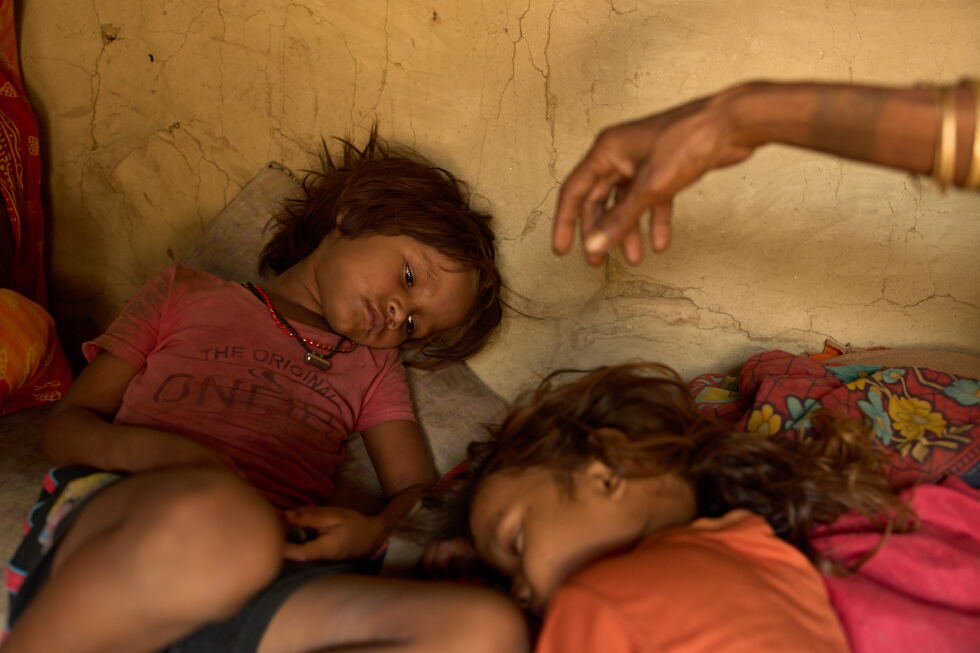
The Associated Press has found that the decision by the United States to slash its foreign aid funding last year has increased pregnancy complications and deaths in Nepal.
I can agree with that. Funding to get through a crisis makes sense, and funding to assist with a plan to transition from one situation to another, whether it be the economic drivers, food production, or whatever else, also generally makes sense. That second one requires a plan, which is often missing in some of these aid programs.
But one could also argue that those who are advantaged, which much of the developed world is, have a duty to help others. The aid program mentioned in the article cost $35 million over 5 years. That averages to about 8 cents per American, rounded up. Over 5 years. That program made an immediate, personal difference in the lives of 100,000 people, not even counting the broader impact of little things like not having mothers and children dying. For $350 per person helped, assuming that is the only people helped be that $35 million dollars, that is already good value, and cheaper and faster than building schools, programs etc., to get some home-grown solutions which would mostly leave anyway because of the overall poverty of the nation. All for a price that all but the most impoverished Americans wouldn’t even notice and would harm none, promoted by the wealthiest in the nation for the sake of austerity or fiscal responsibility, and creating ‘dependency’.


I can agree with that. Funding to get through a crisis makes sense, and funding to assist with a plan to transition from one situation to another, whether it be the economic drivers, food production, or whatever else, also generally makes sense. That second one requires a plan, which is often missing in some of these aid programs.
But one could also argue that those who are advantaged, which much of the developed world is, have a duty to help others. The aid program mentioned in the article cost $35 million over 5 years. That averages to about 8 cents per American, rounded up. Over 5 years. That program made an immediate, personal difference in the lives of 100,000 people, not even counting the broader impact of little things like not having mothers and children dying. For $350 per person helped, assuming that is the only people helped be that $35 million dollars, that is already good value, and cheaper and faster than building schools, programs etc., to get some home-grown solutions which would mostly leave anyway because of the overall poverty of the nation. All for a price that all but the most impoverished Americans wouldn’t even notice and would harm none, promoted by the wealthiest in the nation for the sake of austerity or fiscal responsibility, and creating ‘dependency’.