

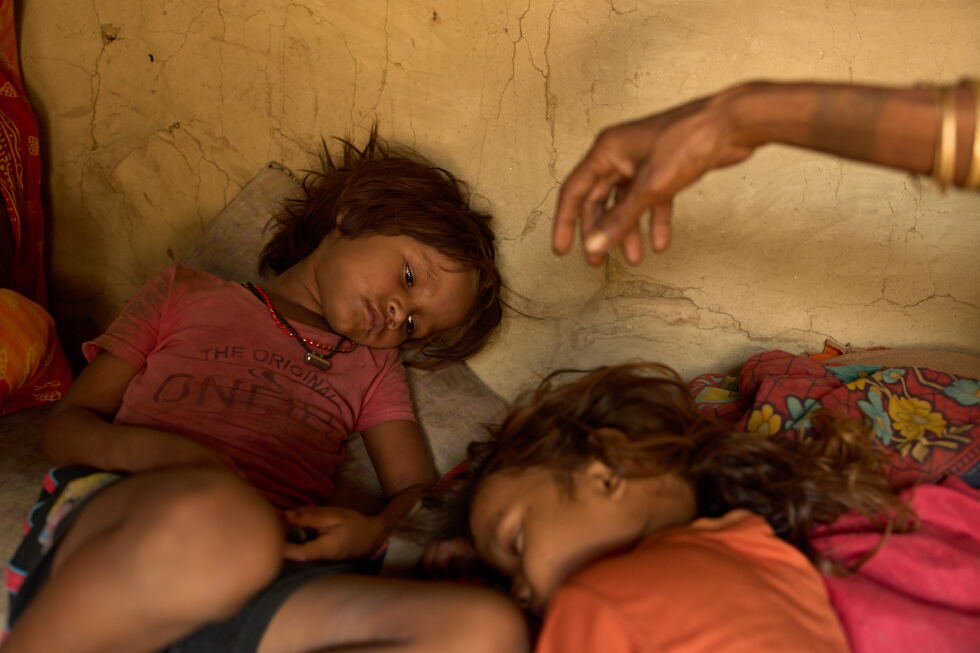
Musk and this regime has millions of bodies on their bloodstained hands
deleted by creator
The party of pro-life
Republicans are evil.
The woman asked God to save the baby and God was like “lmao no”
deleted by creator
Elon Musk is guilty of mass murder, and so is Trump.
Aid does feel a lot like building dependency over self sufficiency in many regions
Assuming that were true, does immediately cutting it off without any time to transition seem like a good option?
Definitely not
Im saying there should be a better way to aid
I can agree with that. Funding to get through a crisis makes sense, and funding to assist with a plan to transition from one situation to another, whether it be the economic drivers, food production, or whatever else, also generally makes sense. That second one requires a plan, which is often missing in some of these aid programs.
But one could also argue that those who are advantaged, which much of the developed world is, have a duty to help others. The aid program mentioned in the article cost $35 million over 5 years. That averages to about 8 cents per American, rounded up. Over 5 years. That program made an immediate, personal difference in the lives of 100,000 people, not even counting the broader impact of little things like not having mothers and children dying. For $350 per person helped, assuming that is the only people helped be that $35 million dollars, that is already good value, and cheaper and faster than building schools, programs etc., to get some home-grown solutions which would mostly leave anyway because of the overall poverty of the nation. All for a price that all but the most impoverished Americans wouldn’t even notice and would harm none, promoted by the wealthiest in the nation for the sake of austerity or fiscal responsibility, and creating ‘dependency’.
That part is a huge issue that I don’t see many of us bringing up, so thank you.
If the cuts in funding had been tapered over a reasonable amount of time, federal contractors like my former employer would have at least had the chance of pursuing alternative funding that would have saved jobs (like mine) and lives (like these women and children).
Even if you take it at face value that abolishing USAID was the right thing to do and saved the US tax payers money, which you shouldn’t but for the sake of argument let’s go with that, it could have easily been done in a way that preserved lives and livelihoods.
And so as bad as it is that lives and jobs were lost the astoundingly evil and questionable legality of the way that it happened makes it even worse.
