

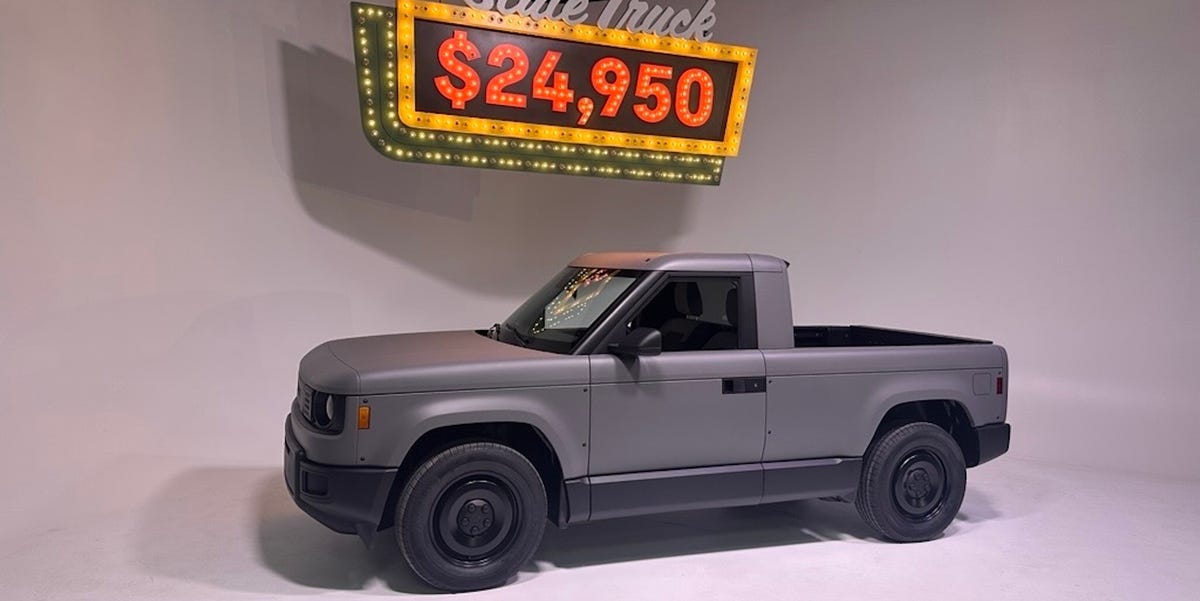
cross-posted from: https://piefed.social/c/electricvehicles/p/2162853/usa-slate-s-new-electric-truck-will-cost-slightly-more-than-24950
Range is said to be 205 mi (330 km), higher than the original estimate. This price is for the basic truck. The SUV configuration is expected to be $5000 more.
It isn’t regularly, it is what you do on the margins. that one trip a year. Those really cold days in winter (ICEs have a built in heater). 200 miles is more than enough most days, but once a month it will be really close.
Only a fool purchases a vehicle for 100% of use cases. That’s how you end up buying twice as much car as you actually need, “just in case.”
A wise person figures out what vehicle will meet 95% of their needs and then simply rents a vehicle specifically designed to do that job. Do you need to haul a giant camper twice a year? Just a rent a pickup truck capable of towing it.
Buying a thing only saves money if the alternative is REGULARLY renting that thing.
It is likely impossible to rent a truck for pulling your trailer. Most contracts have a no towing clause. Uhaul only allows towing their trailers. When you find the rare exception you are risking they are sold out that week. And the cost when you do find it is high enough to pay for the additional payments for most of the year.
Ok, so if you only pull a trailer once or twice a year, why do you own a trailer? It’s back to the same problem. What’s the point of owning something you’re only going to use extremely rarely? Cars are ultimately depreciating assets. They’re not like owning stock in a company or even real estate. Every penny invested in a vehicle is ultimately money thrown on a bonfire. The wise way to own a car is to figure out your 95% of use cases and buy based on that. Then just rent specialized vehicles for the rare oddballs.
We have a newish Corolla and and old mid-2000s Ford Ranger. Between the two vehicles we have 99% of our use cases covered. We can move most furniture and shop and garden materials with the truck. We can use the sedan for commuting and road trips. But there are doubtless uses that our setup won’t cover, and that’s OK. If I need to move a household full of stuff, or if I desire to pull a giant trailer, or go offroading, then I’ll need to rent something else.
I own a trailer because even though I rarely need it, renting is too difficult. I did rent a trailer a couple times. However finding one that was available and fit my needs is harder than you would think. There are many different types of trailers, each serving a different purpose, and most won’t work for my purpose. When I need one is also the weekend others need one and so it is highly likely to be unavailable because someone else has it.
I’ve tried to make your “rent when you need it” for those rare uses. However every time I do I realize that the cost of a rental is very high, and most rentals have restrictions such that I can’t even use it for what I wanted. I’ve been lucky to never arrive to find my reserved vehicle isn’t there, but that has happened to many people I know as well (leaving them at an airport with no way to get around)
I collect antique tractors, this is one of those rare niches that make me unusual. Having to have a trailer for them to get to shows is part of the costs (and fun). To ensure I can do what I want when I want I have to own a truck and trailer.
While you are correct the cars are depreciating assets, so it life. I have more than enough money for the basics: I don’t need more appreciating assets. Most of my money is reserved for things that bring me happiness, and I don’t care (nor should I care!) if it is a good economic investment. Investing everything to grow a number on paper seems like a boring wasted life to me (but this is just me, if your happiness is that number then by all means invest more)
Ok you have a point. There are always some niche applications where the general rules fall short. I’m thinking of folks who own a giant truck to tow a giant camper once or twice a year. The number of people towing antique tractors is small, campers not so much. And yes, there’s definitely more to life than money.