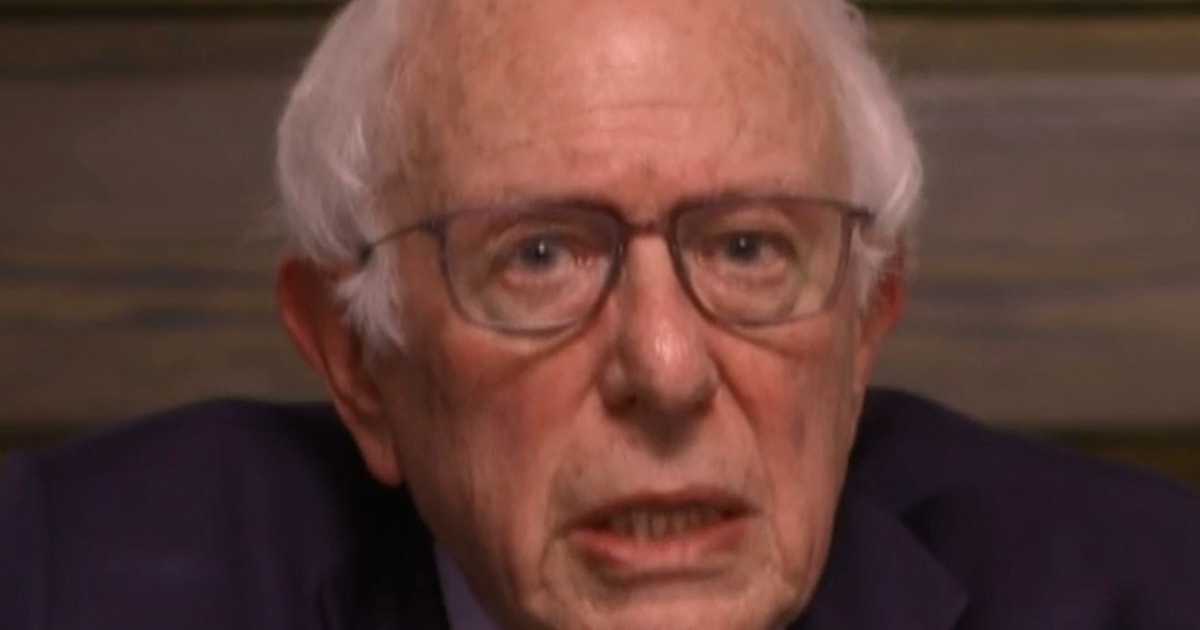
Sen. Bernie Sanders, I-Vt., said in an interview with NBC News that he will encourage progressive voters to still back Democrats on the ticket in November even if moderates are victorious in the primaries.
It’s hard to buck the establishment. ~16,000 people were the difference in a state of 10 million.
If every eligible voter participated it wouldn’t even be close. Always blows my mind seeing comments on voting doesn’t matter when I’m on average voting for 3-4 other citizens in primaries.
Only about 1.4 million votes were cast, ~13% of the state’s registered voters. If you look at a map of the volume of El-Sayed’s votes, this low turnout let a relatively small number of local hot spots swing the election with higher-than-normal turnout due to his focus on them
That moneyball strategy succeeding is a good sign regardless of the margin; the opposition spent millions of dollars in big market cities (notably Detroit) and on state wide campaigns and still failed to keep up. Spending from AIPAC and corporate interests was something like 11:1 vs his total campaign spend ($95 per non El-Sayed vote vs $9 for)
Michigan has open primaries, meaning any voter could ignore the red side of the ballot (mostly uncontested and landslides) to poison the opponents primary. I’m not sure if this is quantified anywhere, but it’s definitely a factor considering republican strategists view the nascent progressive wing as a larger threat than establishment dems
I’m not convinced by that whole theory that “if everyone voted, the elections would turn out different!”. If we follow the Law of Large Numbers, the results would be pretty much the same.
I’m not convinced by that whole theory that “if everyone voted, the elections would turn out different!”.
There’s a strong correlation between election turnout and results trending conservative or progressive. It’s not the numbers but the percentage of turnout – and when turnout percentage is higher, the results skew progressive.
That’s only correct if the reasons for not voting are similarly distributed across the political spectrum.
They are not: GOP constituencies tend to have easier access to time and resources to vote. Dem constituencies often have less access to polling stations, less ability to vote on election day due to work or life circumstance, and are disproportionately affected by moves for stricter voting requirements like proof of citizenship.
It is almost universally true, when turnout is high it benefits the Left. When it is low, it benefits the Right.
Yeah, my friends live in blue district in the city and it took them almost an hour to vote, their polling place was packed. The rural location I vote at was empty I was able to drive there, vote, and get home on a 30 minute lunch break. This seems to have always been a problem my whole life. I remember my parents taking me when they went and having to stand in long ass lines too. People are are always bitching about not wanting to go vote because it takes too long. IDK why it’s so hard for these places to organize it well enough to handle the volume more efficiently. It’s not like it really requires all that much manpower to hand out ballots and check IDs. Alternatively just make election days holidays.


It’s hard to buck the establishment. ~16,000 people were the difference in a state of 10 million.
If every eligible voter participated it wouldn’t even be close. Always blows my mind seeing comments on voting doesn’t matter when I’m on average voting for 3-4 other citizens in primaries.
On one hand, true. But some things to consider:
47% of Dems in that state are conservative neoliberal Zionists. The boomers will eventually die off.
I’m not convinced by that whole theory that “if everyone voted, the elections would turn out different!”. If we follow the Law of Large Numbers, the results would be pretty much the same.
There’s a strong correlation between election turnout and results trending conservative or progressive. It’s not the numbers but the percentage of turnout – and when turnout percentage is higher, the results skew progressive.
If we followed the Law of Large numbers here then we’d be doing garbage statistics and dumb.
That’s only correct if the reasons for not voting are similarly distributed across the political spectrum.
They are not: GOP constituencies tend to have easier access to time and resources to vote. Dem constituencies often have less access to polling stations, less ability to vote on election day due to work or life circumstance, and are disproportionately affected by moves for stricter voting requirements like proof of citizenship.
It is almost universally true, when turnout is high it benefits the Left. When it is low, it benefits the Right.
Yeah, my friends live in blue district in the city and it took them almost an hour to vote, their polling place was packed. The rural location I vote at was empty I was able to drive there, vote, and get home on a 30 minute lunch break. This seems to have always been a problem my whole life. I remember my parents taking me when they went and having to stand in long ass lines too. People are are always bitching about not wanting to go vote because it takes too long. IDK why it’s so hard for these places to organize it well enough to handle the volume more efficiently. It’s not like it really requires all that much manpower to hand out ballots and check IDs. Alternatively just make election days holidays.
Or reimburse the companies the salaries of their employee’s while they vote - I’m confident that would make queue times drop
Removed by mod
What up doe