

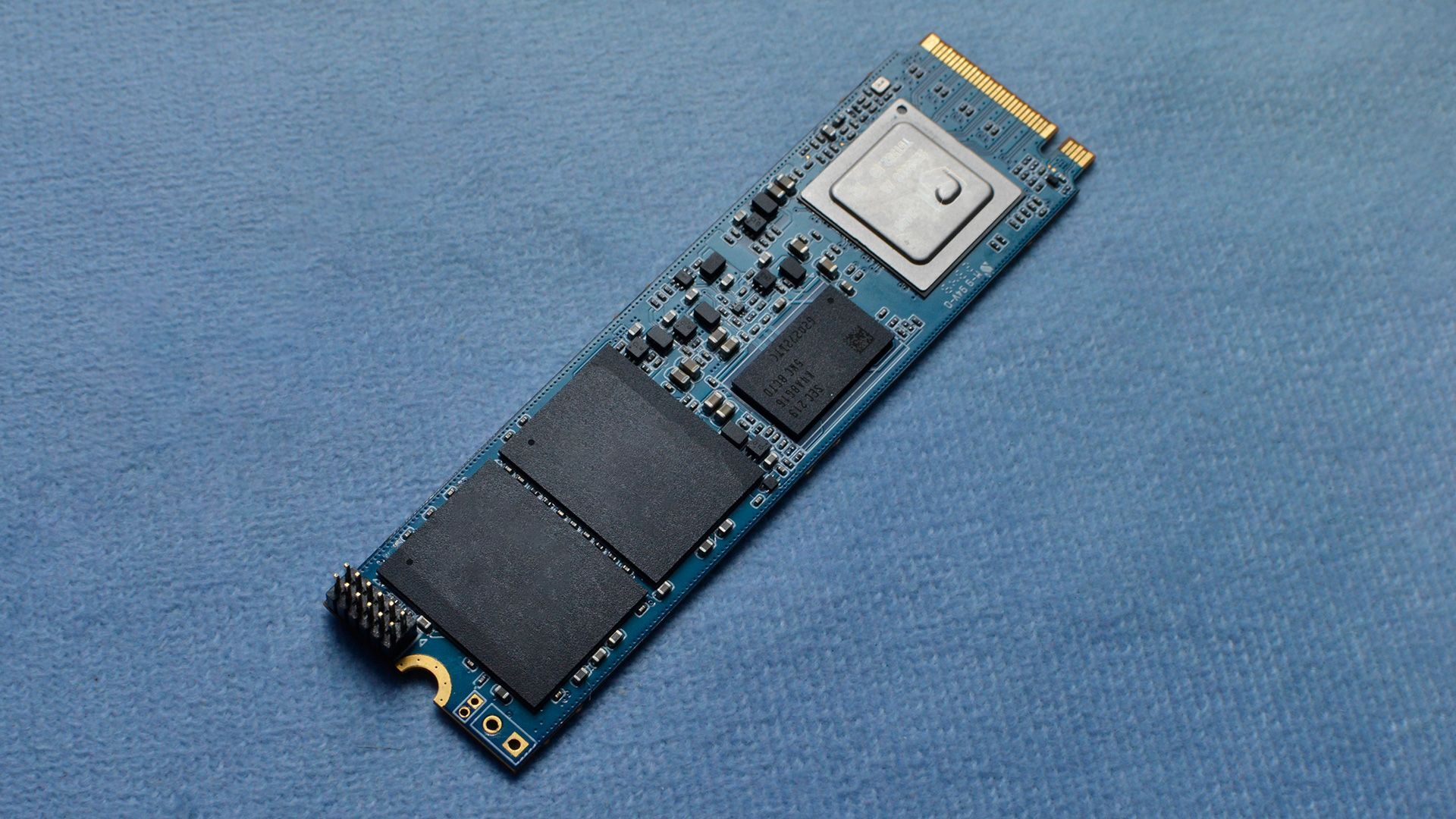
According to Duann, PC makers have to buy from SSD module makers because NAND vendors reduced allocation to the client/consumer PC market and redirected most NAND supply to data center products.
As a result, PC OEMs like Acer, Asus, Dell, and HP cannot get enough NAND or SSD supply directly from NAND manufacturers and have to turn to module makers for solid-state drives. The latter traditionally served end-users and had plenty of aftermarket products with enhanced performance and cooling, but now they increasingly serve PC makers instead.
I don’t think those sellers are going to have much lower prices when the bubble pops. DDR RAM prices are high because not much of it is being produced. What is being produced is HBM, which isn’t compatible with DDR and doesn’t even come on DIMMs. Even if DDR production picks up quickly after the bubble pops, it’s still going to take a while until consumer products appear again.
I could certainly see a use for HBM in consumer products again (my GPU has 8 GB HBM).
It would be nice but someone would have to rip them out of existing products and put them into new ones. Theoretically possible as a (probably fairly janky) one-off product but unlikely. Still, similar products have been made.