

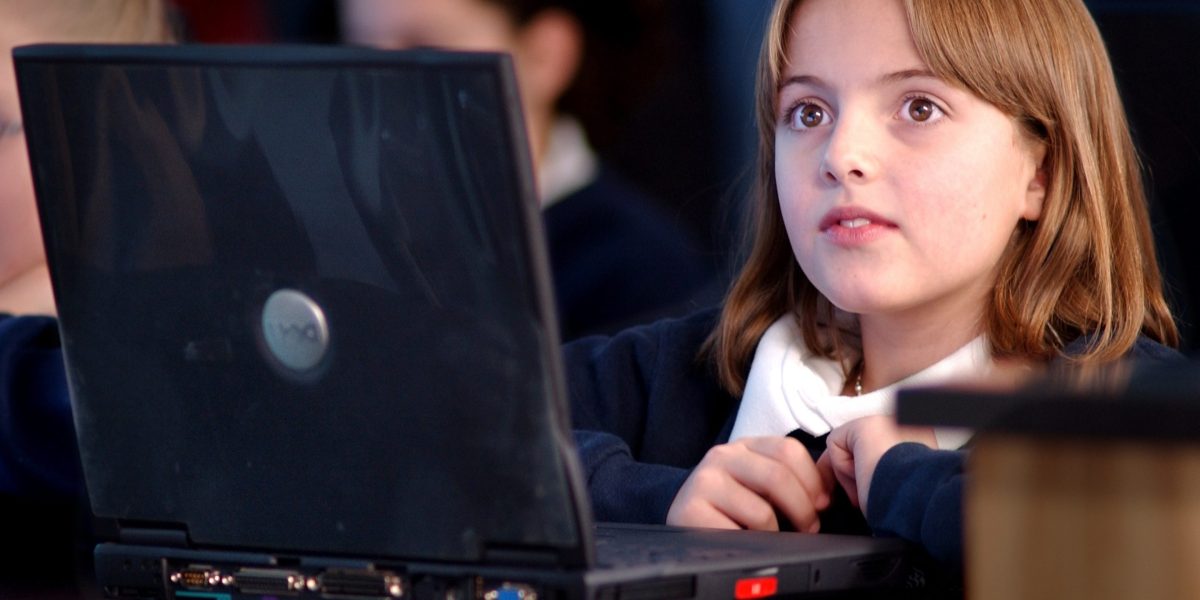
In 2002, Maine became the first state to implement a statewide laptop program to some grade levels. Then-governor Angus King saw the program as a way to put the internet at the fingertips of more children, who would be able to immerse themselves in information.
By that fall, the Maine Learning Technology Initiative had distributed 17,000 Apple laptops to seventh graders across 243 middle schools. By 2016, those numbers had multiplied to 66,000 laptops and tablets distributed to Maine students.
King’s initial efforts have been mirrored across the country. In 2024, the U.S. spent more than $30 billion putting laptops and tablets in schools. But more than a quarter-century and numerous evolving models of technology later, psychologists and learning experts see a different outcome than the one King intended. Rather than empowering the generation with access to more knowledge, the technology had the opposite effect.
With cars, I don’t get it we’ve even collectively given up standard maintenance. When I tell people I did my own oil change or change my brake pads, they look at me like I’m some sort of magician or Tim Taylor. It’s like, dudes, you’re supposed to be doing it yourself – it’s not hard. And it costs me $40 to diy an oil change compared to $100 for a Quick Lube. Brake pads are a little more difficult, but also are standard maintenance and totally possible. Cost savings of diy vs shop there is hundreds of dollars.
I’ve not met boomers that have kept up on tech. In fact, all of the boomers I know now use tech like the Gen Z kids.
I was once in a room with a boomer, I’m a Millennial, and a Gen Zer. I said, “your generation invented the tech, my generation perfected it, and your generation takes it all for granted.”