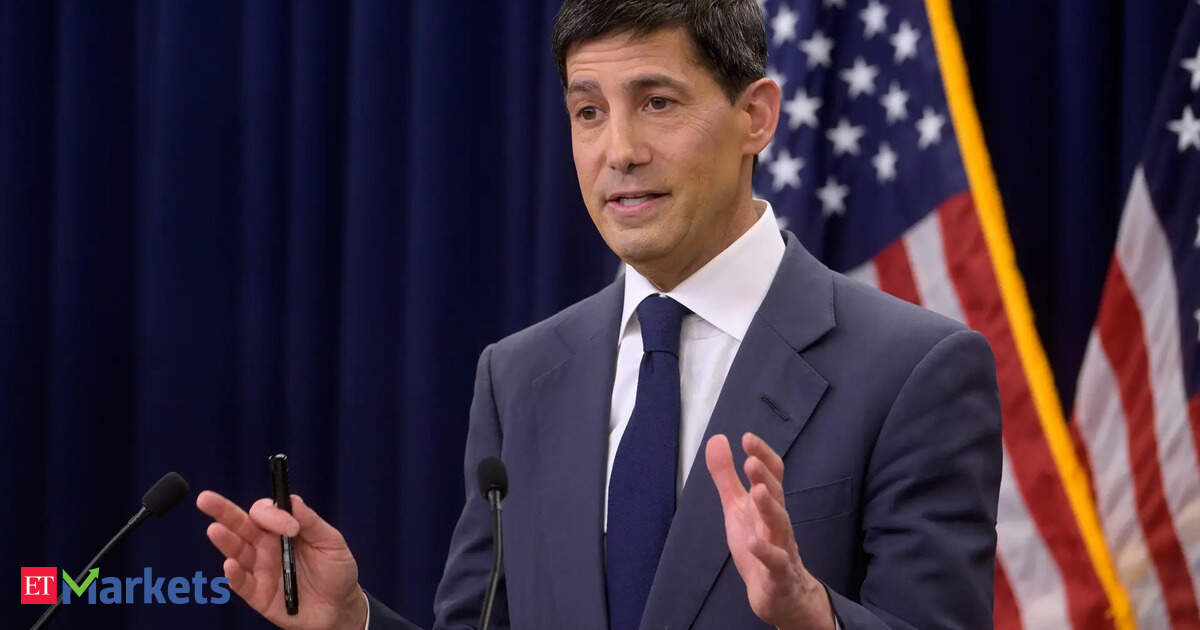
New Federal Reserve Chair Kevin Warsh is significantly reducing the central bank's communication, particularly "forward guidance" on interest rates. This move, aimed at making markets less reliant on Fed signals, has already caused market volatility. Analysts warn this could lead to higher borrowing costs for consumers and businesses, contrasting with previous chairs who used guidance to stabilize markets and lower rates.
lemmy_news, the idea of a ‘quieter Federal Reserve’ is interesting, especially for retail investors navigating this environment. I’m wondering if the average participant, especially those focused on US equities/ETFs, really feels that quietness translating into clarity, or if it just shifts the volatility to other areas? From what I’m seeing, the ‘gambling’ aspect for many comes less from rate changes and more from unexpected macro shifts. I track some of this on my own site, and one thing we’ve explored is how different assets react — we even put together a quick comparison of how major ETFs historically react to ‘quiet’ periods versus active ones here if it’s relevant to your readers’ portfolios. Research content only, not financial advice. Investing involves risk.